Conference Photography in Dubai and Abu Dhabi: A Complete Coverage Planning Guide



Your conference is more than an event. It's an opportunity to put your brand in the spotlight. Every presentation, audience interaction, and professional conversation contributes to how people experience your organization. According to Cvent's research on event marketing, brand awareness, audience engagement, and media impact are among the important ways organizations measure event success.
Professional photography helps capture these experiences and turn them into visual content for marketing campaigns, social media, and future brand communications.
Whether you're hosting a corporate summit, an industry conference, or an international business event, the right photography plan ensures that important moments and brand opportunities don't go unnoticed.
Table of Contents
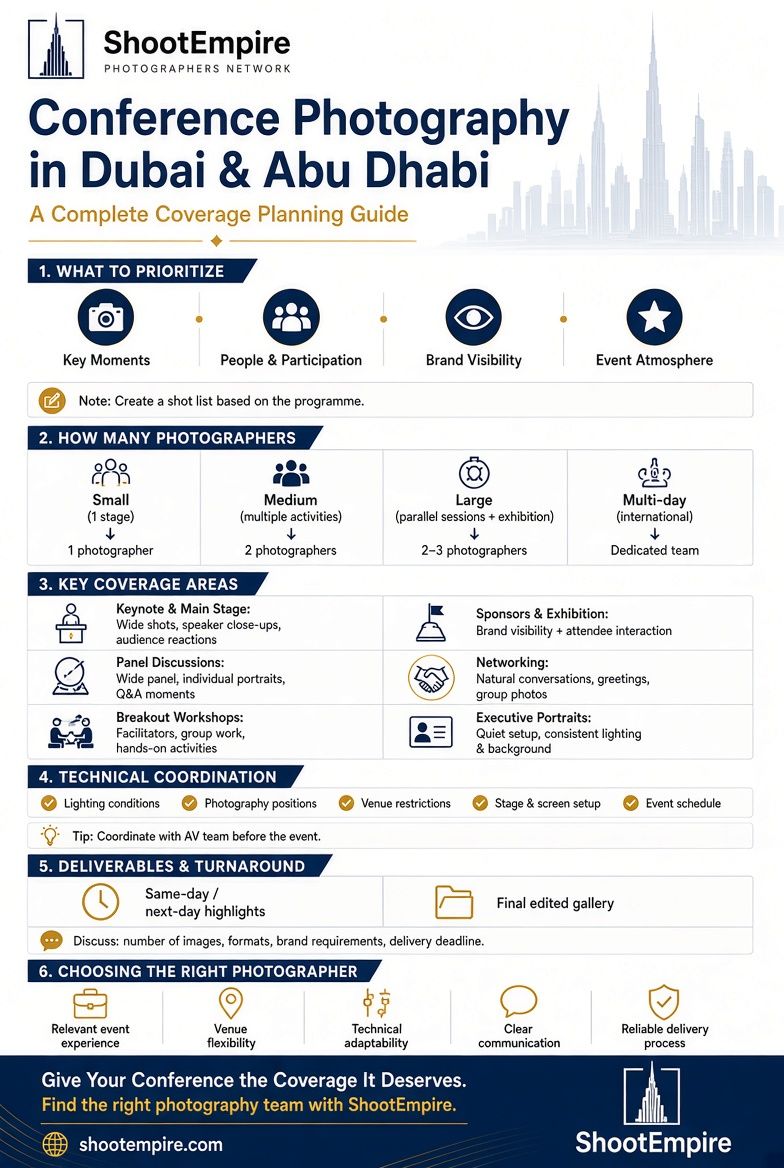
- 1 - Conference Photography: What Should You Prioritize?
- 2 - How Many Photographers Does Your Conference Need?
- 3 - Planning Keynote and Main Stage Coverage
- 4 - Photographing Panel Discussions and Q&A Sessions
- 5 - Covering Breakout Sessions and Workshops
- 6 - Sponsor and Exhibition Photography
- 7 - Networking and Audience Engagement
- 8 - Executive Portraits During Conferences
- 9 - Lighting, Venue Access, and AV Coordination
- 10 - Conference Photography Deliverables and Turnaround
- 11 - Choosing a Conference Photographer in Dubai and Abu Dhabi
- 12 - Frequently Asked Questions
1. Conference Photography: What Should You Prioritize?
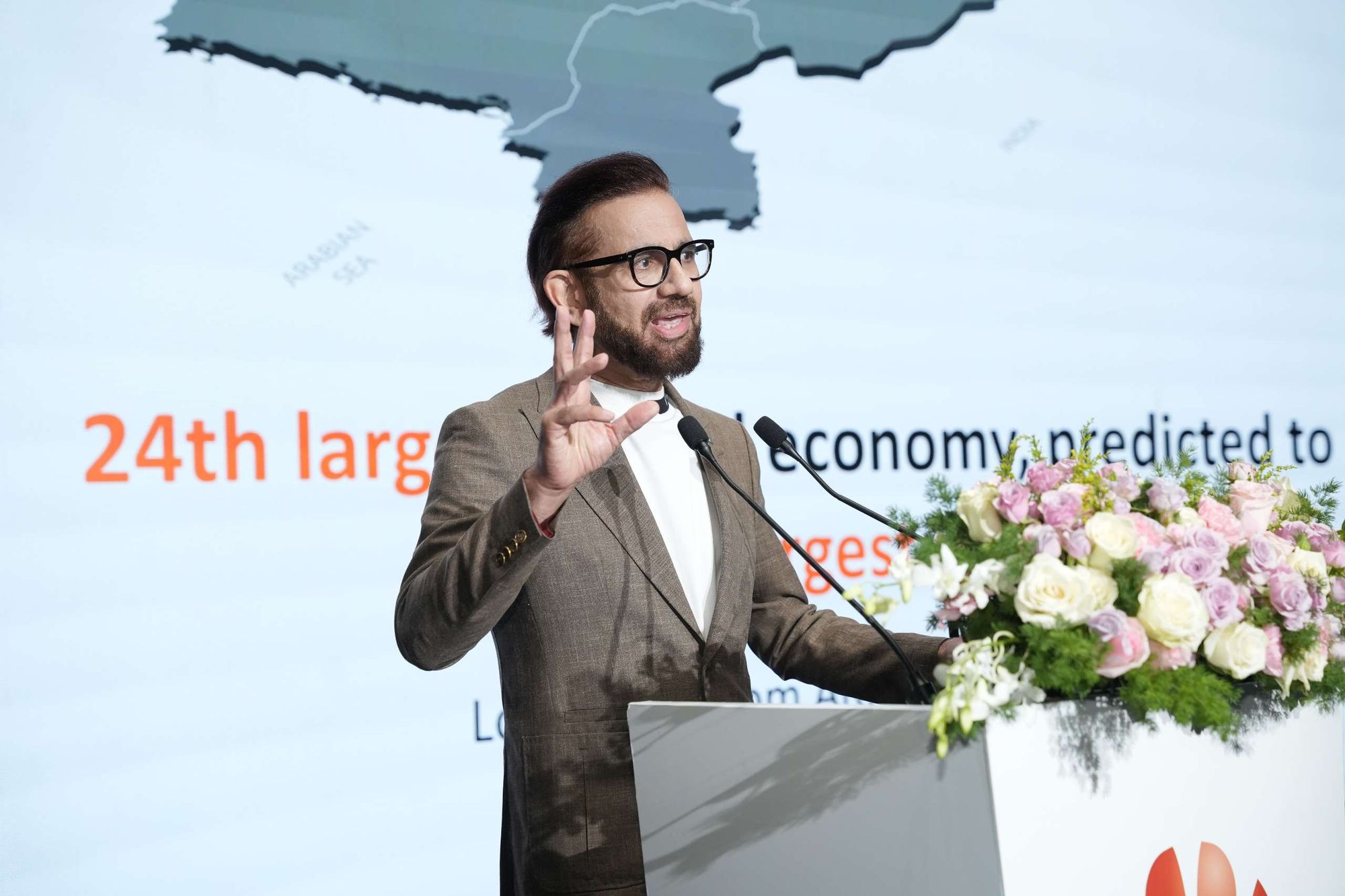
Conference photography should reflect your event's goals, from social media and marketing campaigns to sponsor visibility. Before the event, identify who will use the images and how they will support your post-event communications.
Most conference coverage should include four main categories:
Key moments
Opening ceremonies, keynote presentations, important announcements, and award presentations.
People and participation
Speakers, panel discussions, audience reactions, and attendee interactions.
Brand visibility
Sponsor logos, exhibition booths, branded backdrops, and promotional materials.
Event atmosphere
Venue details, networking activities, room arrangements, and informal interactions.
These categories create a balanced visual record of the conference, capturing not only speakers but also the people, brands, and activities that define the event.
Start by creating a shot list based on the event programme and prioritising key moments for marketing, PR, and sponsor reporting.
2. How Many Photographers Does Your Conference Need?
The number of photographers should depend on the conference layout, number of simultaneous sessions, venue size, and expected coverage requirements.
A single photographer may be sufficient for a small conference with one stage and a straightforward programme. However, larger events often require additional coverage to ensure that important moments in different locations are documented.
Consider the following general guide:
| Conference setup | Suggested photography team |
|---|---|
| Small conference with one main stage | 1 photographer |
| Medium conference with multiple activities | 2 photographers |
| Large conference with parallel sessions and exhibition areas | 2–3 photographers |
| Multi-day international conference with several venues or simultaneous programmes | A dedicated photography team |
These are planning guidelines rather than fixed requirements.
For example, if a keynote presentation takes place while a sponsor demonstration is happening in another room, one photographer cannot adequately cover both. Adding a second photographer allows each activity to receive dedicated attention.
When discussing your requirements, share the complete event schedule, venue layout, number of attendees, and priority sessions with your photography team. This makes it easier to recommend an appropriate team size without paying for unnecessary coverage.
3. Planning Keynote and Main Stage Coverage
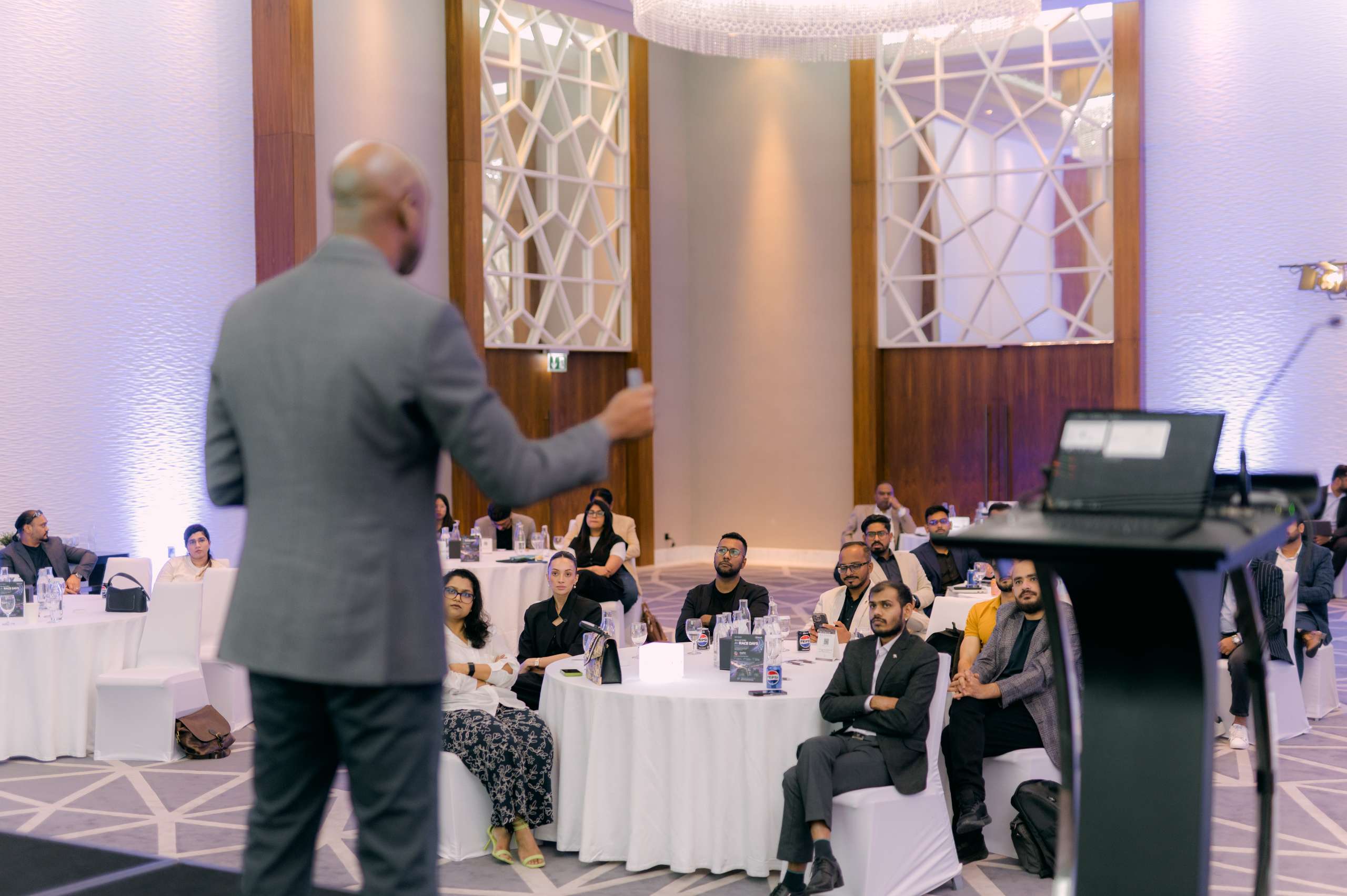
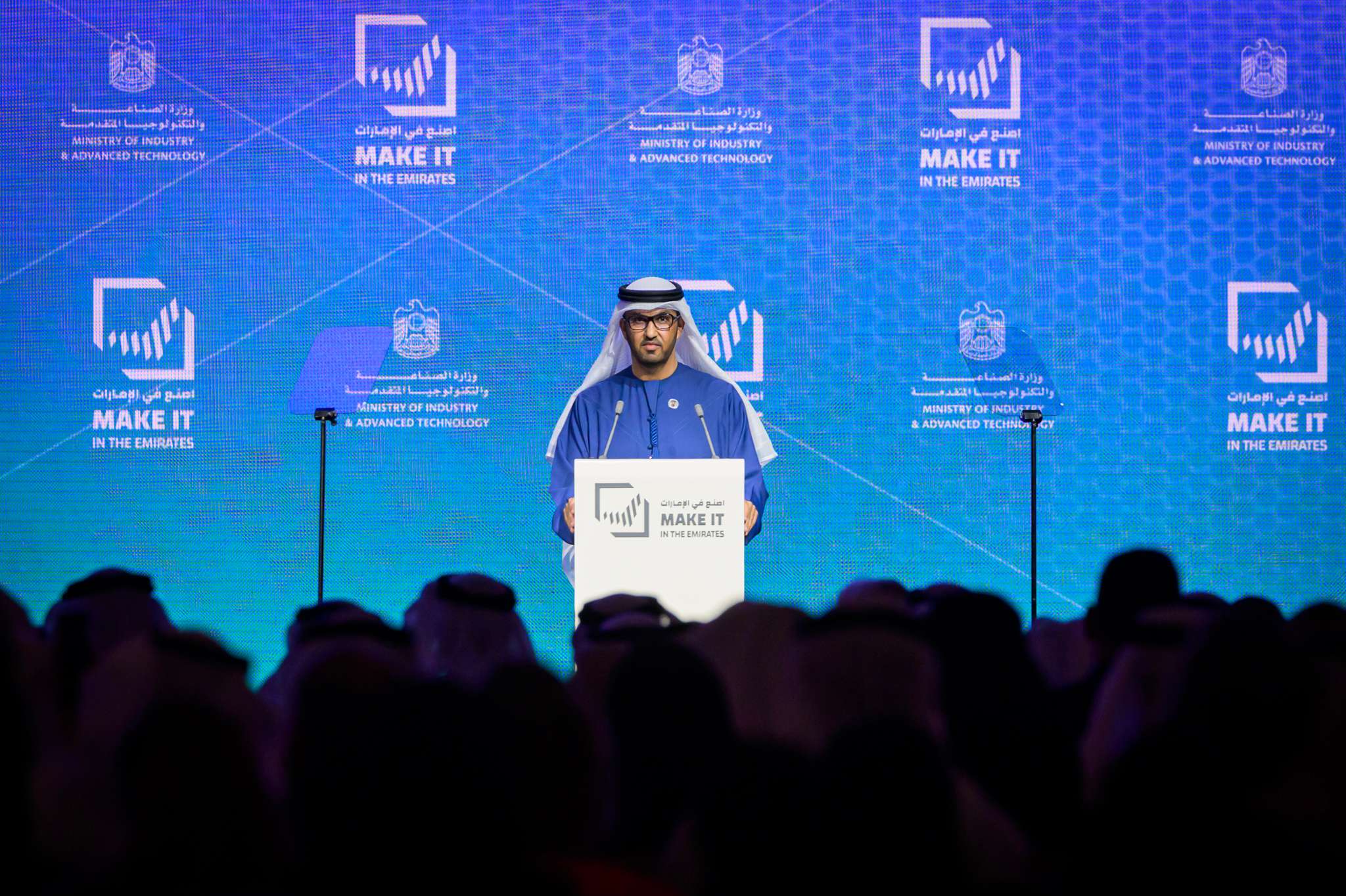
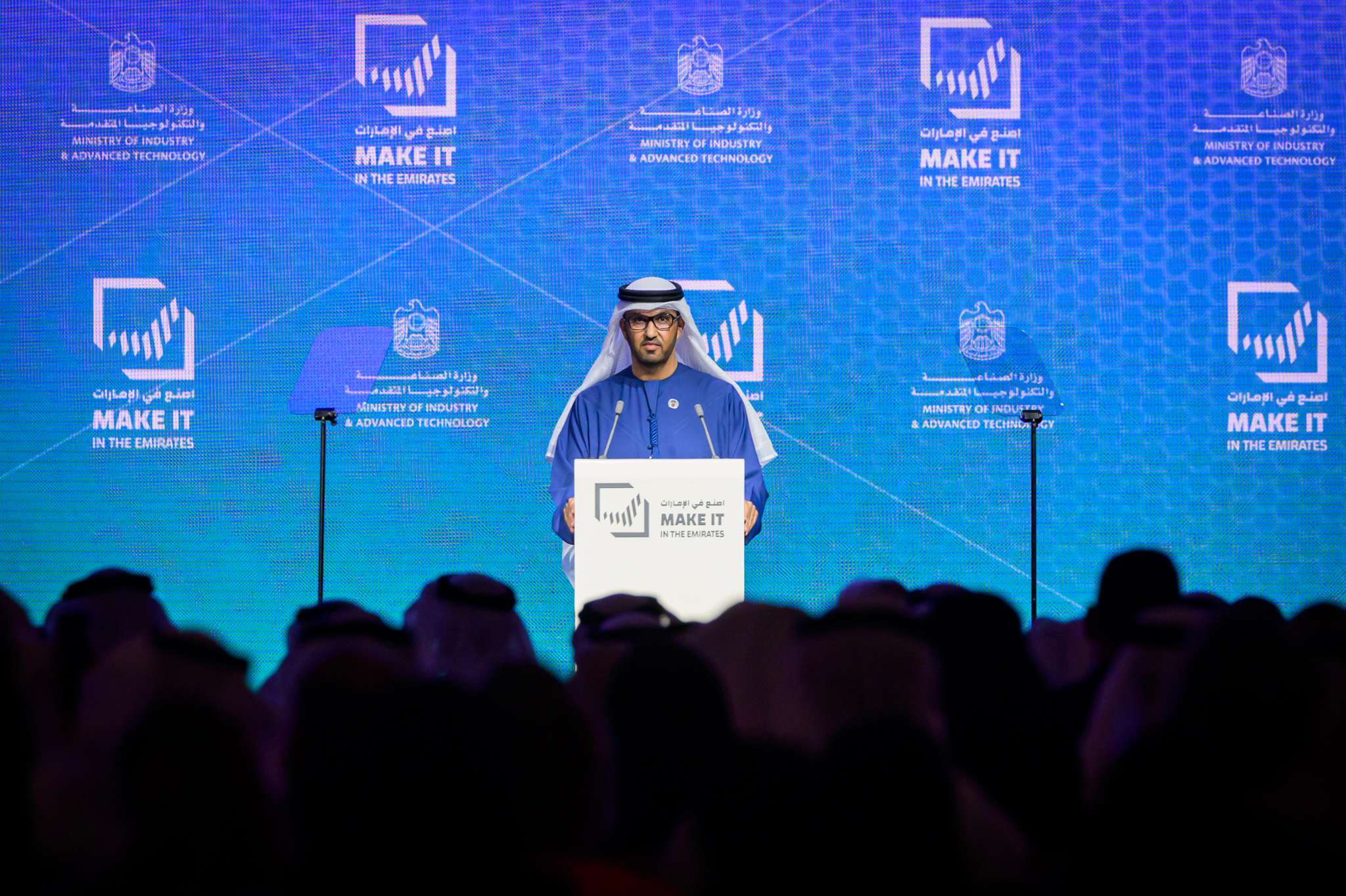
Keynote presentations are among the most important moments to capture at a conference. A strong photography plan should include wide stage shots, speaker close-ups, audience reactions, and key announcements to document both the presentation and the event atmosphere.
Before the session, the photographer should review the stage layout and coordinate shooting positions with the AV team, particularly when presentations are being recorded or live-streamed.
4. Photographing Panel Discussions and Q&A Sessions
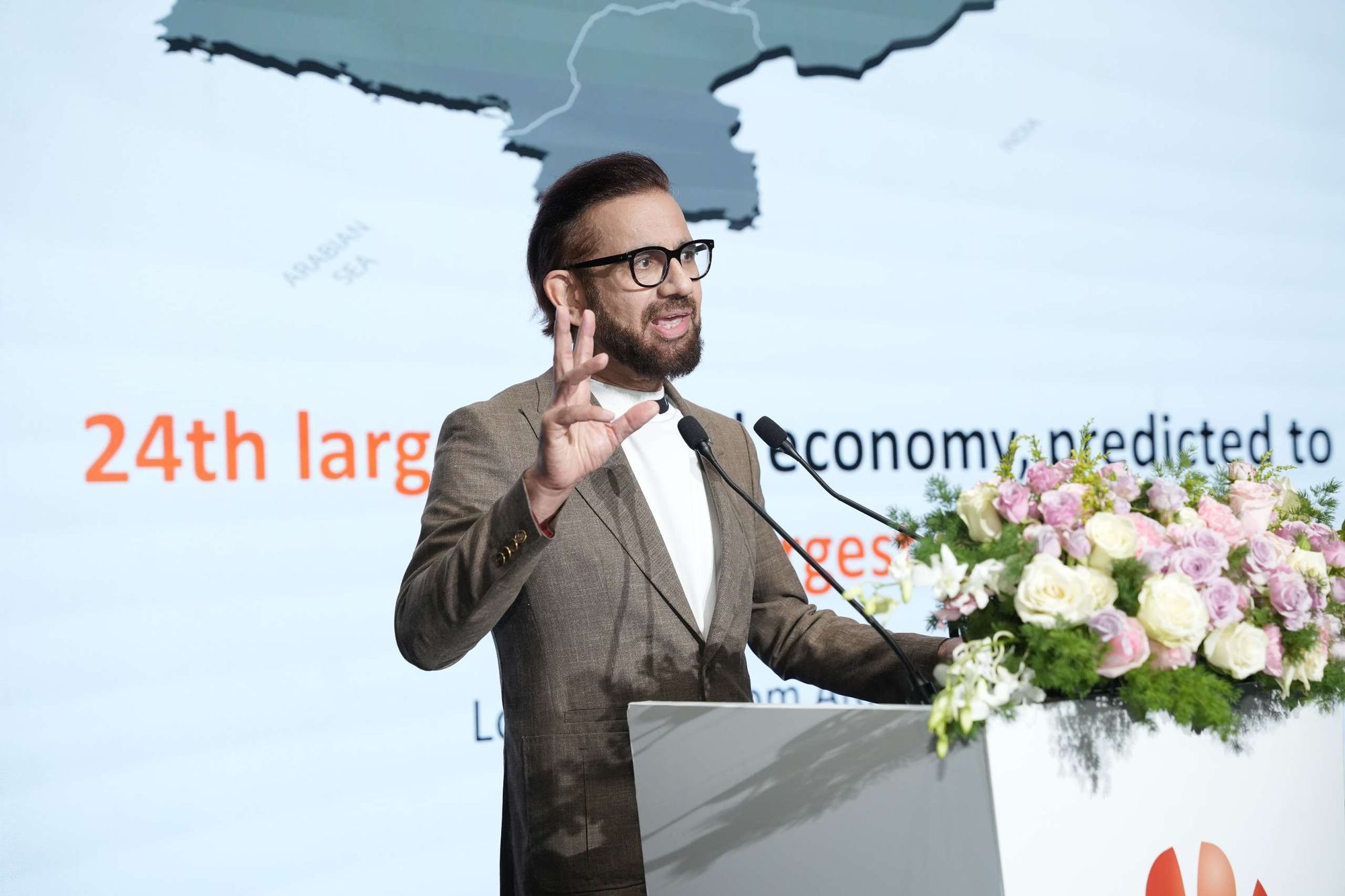
Panel photography requires capturing both individual speakers and their interactions throughout the discussion. A complete coverage plan should include wide shots of the panel, individual portraits, moderator moments, audience questions, and natural reactions.
Photographing the discussion from different angles gives the marketing team more options for social media, LinkedIn, and post-event reports. Before the event, share the speakers' names and roles with the photographer to ensure all key participants receive proper coverage.
5. Covering Breakout Sessions and Workshops
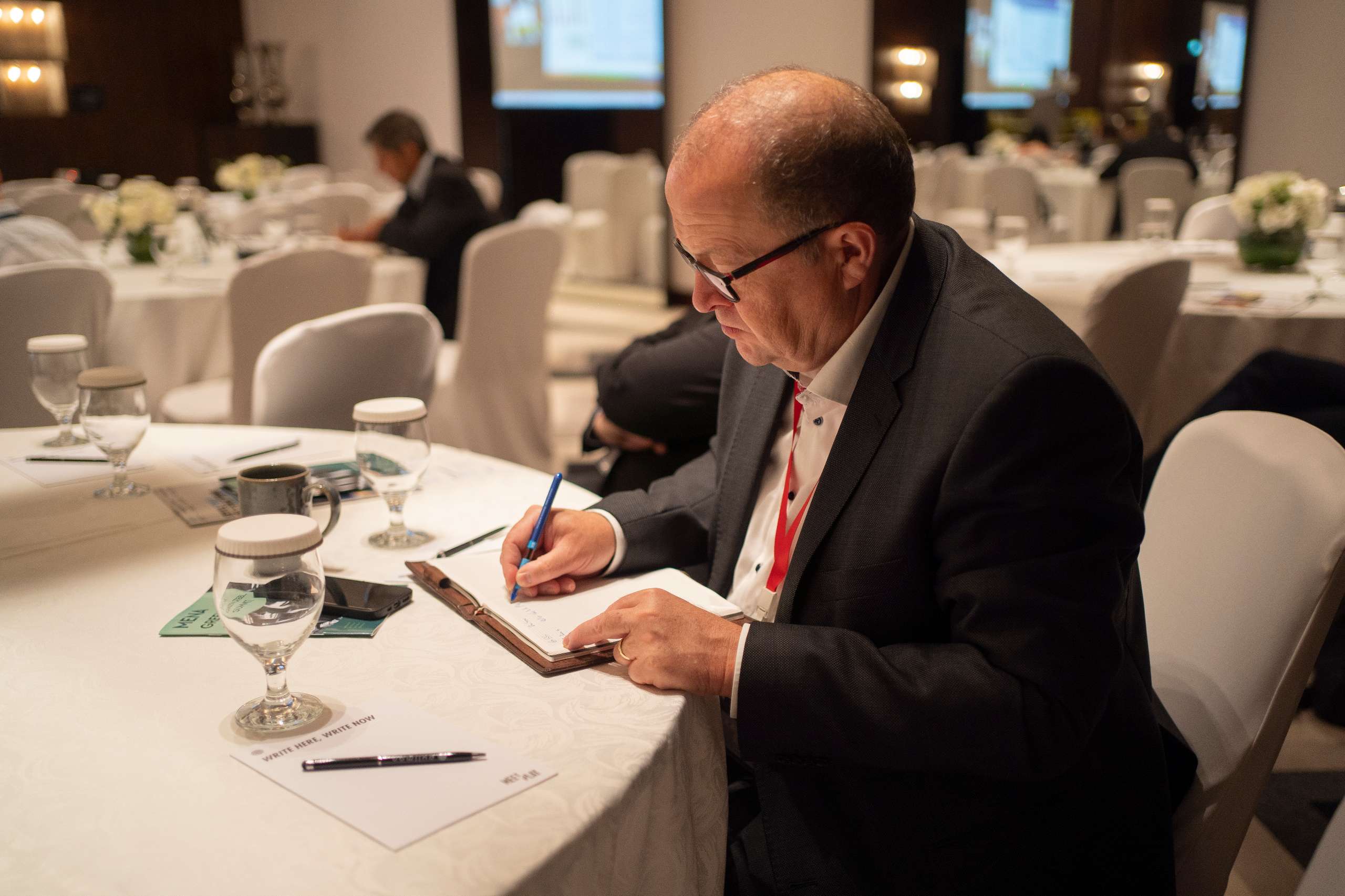
Breakout sessions are often overlooked in conference photography, yet they provide valuable content for internal communications and future event promotion. Unlike keynote presentations, workshops involve more interaction, collaboration, and movement.
Photographers should prioritise the following moments:
- Facilitators presenting activities or explaining key points.
- Participants asking questions and joining discussions.
- Small-group conversations and collaborative exercises.
- Attendees working with laptops, presentation materials, or whiteboards.
- Hands-on demonstrations and practical activities.
It's also important to capture each room's layout, seating arrangements, and audience size to communicate the scale of the event. If multiple workshops take place simultaneously, include them in the photography schedule and assign coverage based on their importance.
6. Sponsor and Exhibition Photography
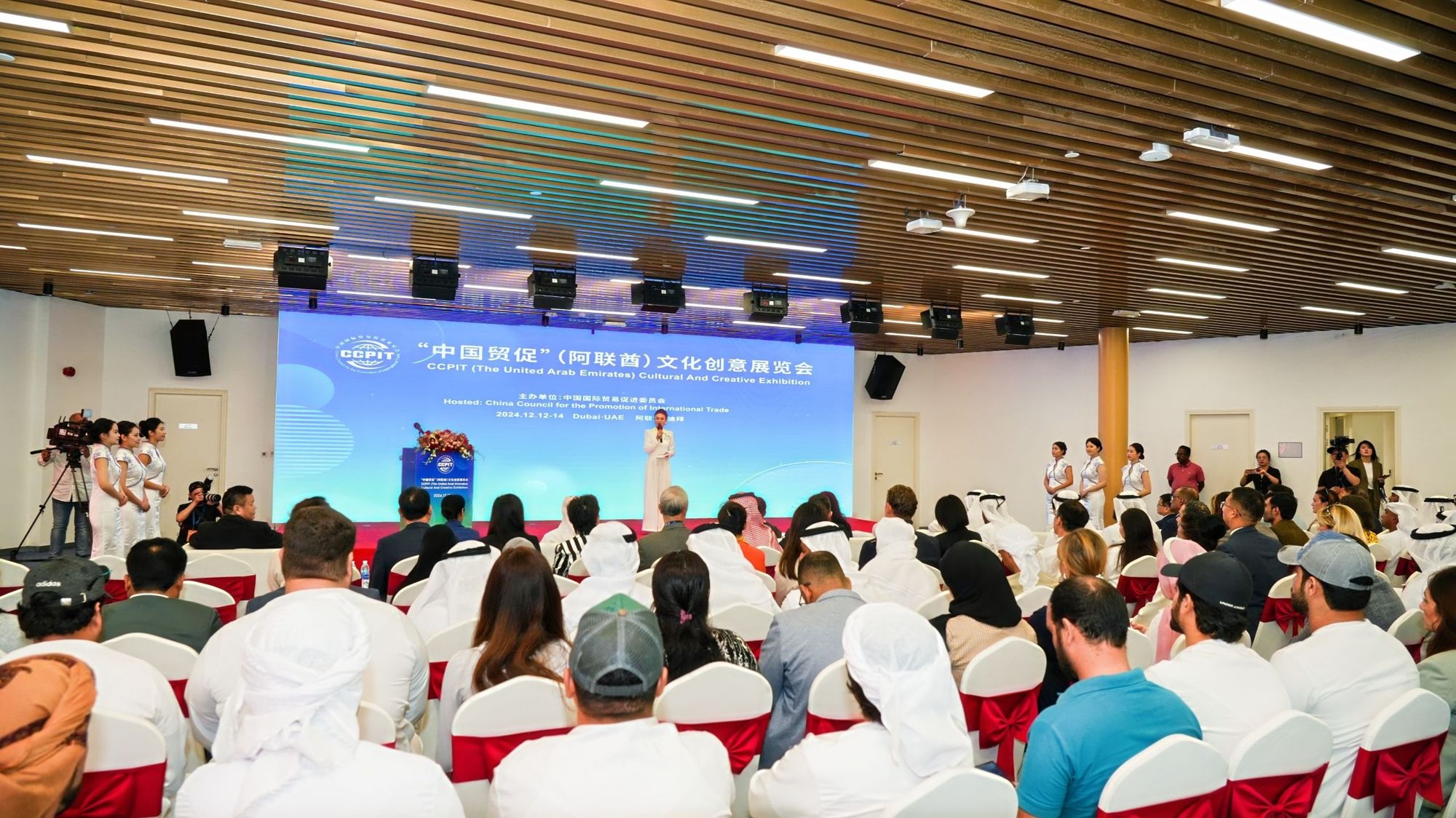
For many conferences, sponsors and exhibitors are important stakeholders. Their visibility is often part of the commercial agreement, so their presence should be reflected clearly in the final photographs.
Simply photographing a logo on a wall is not enough. The images should also show how the brand participates in the event.
A complete sponsor photography plan should cover:
Brand visibility
- Sponsor logos on stage backdrops and banners.
- Branded registration areas and promotional materials.
- Exhibition booth signage and displays.
- Product placements and demonstration areas.
Attendee interaction
- Conversations between exhibitors and visitors.
- Product demonstrations and presentations.
- Business meetings at exhibition stands.
- Group photographs with sponsor representatives.
Exhibition atmosphere
- Wide photographs showing the overall exhibition space.
- Individual booth photographs.
- Visitors exploring displays and demonstrations.
Before the conference, ask sponsors whether they have specific photography requirements or brand guidelines. This is particularly useful when several companies are participating in the same event.
For organizations that need consistent visual material beyond the conference itself, our Branding Photography services can also support their wider marketing requirements.
7. Networking and Audience Engagement
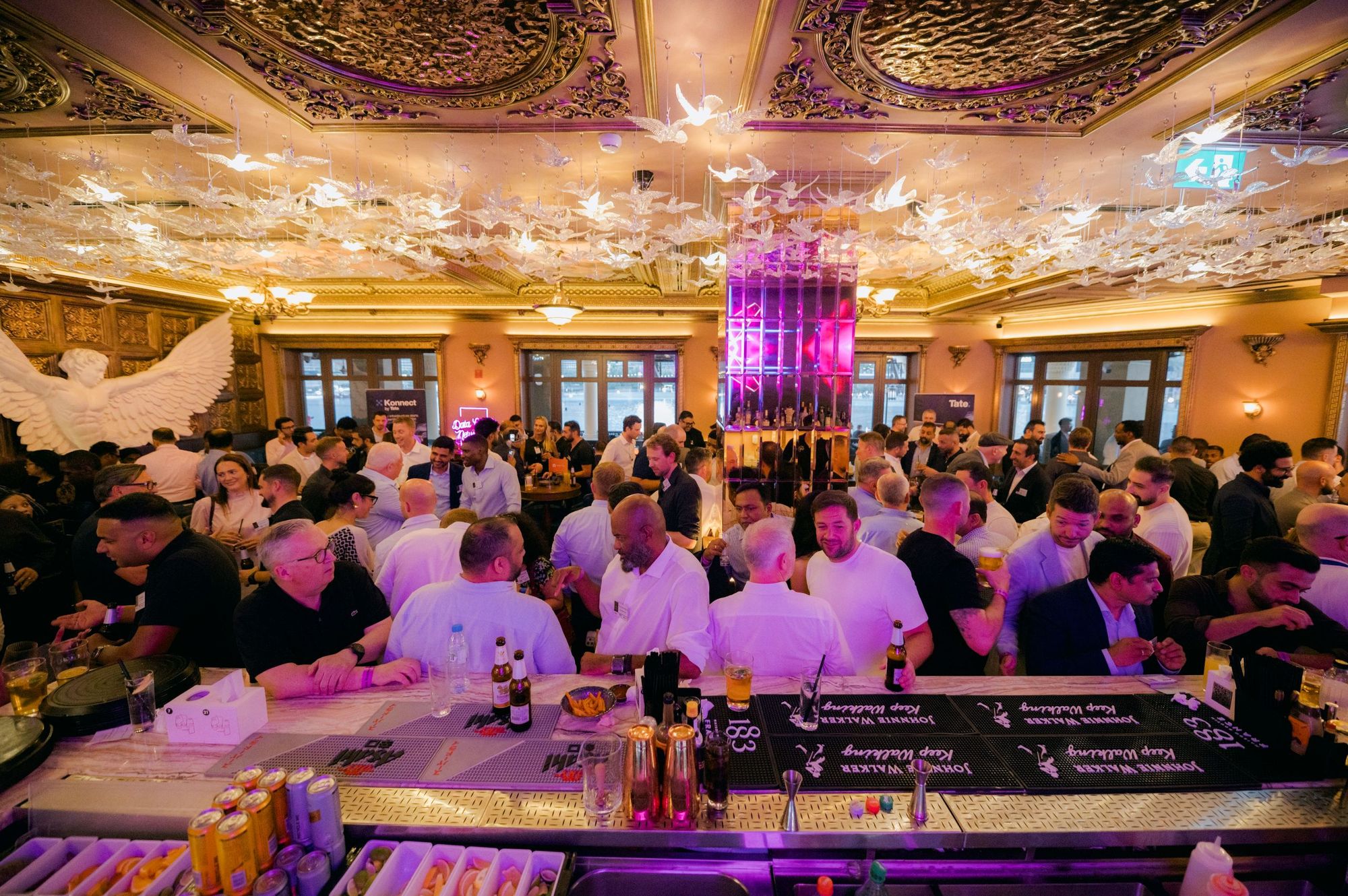
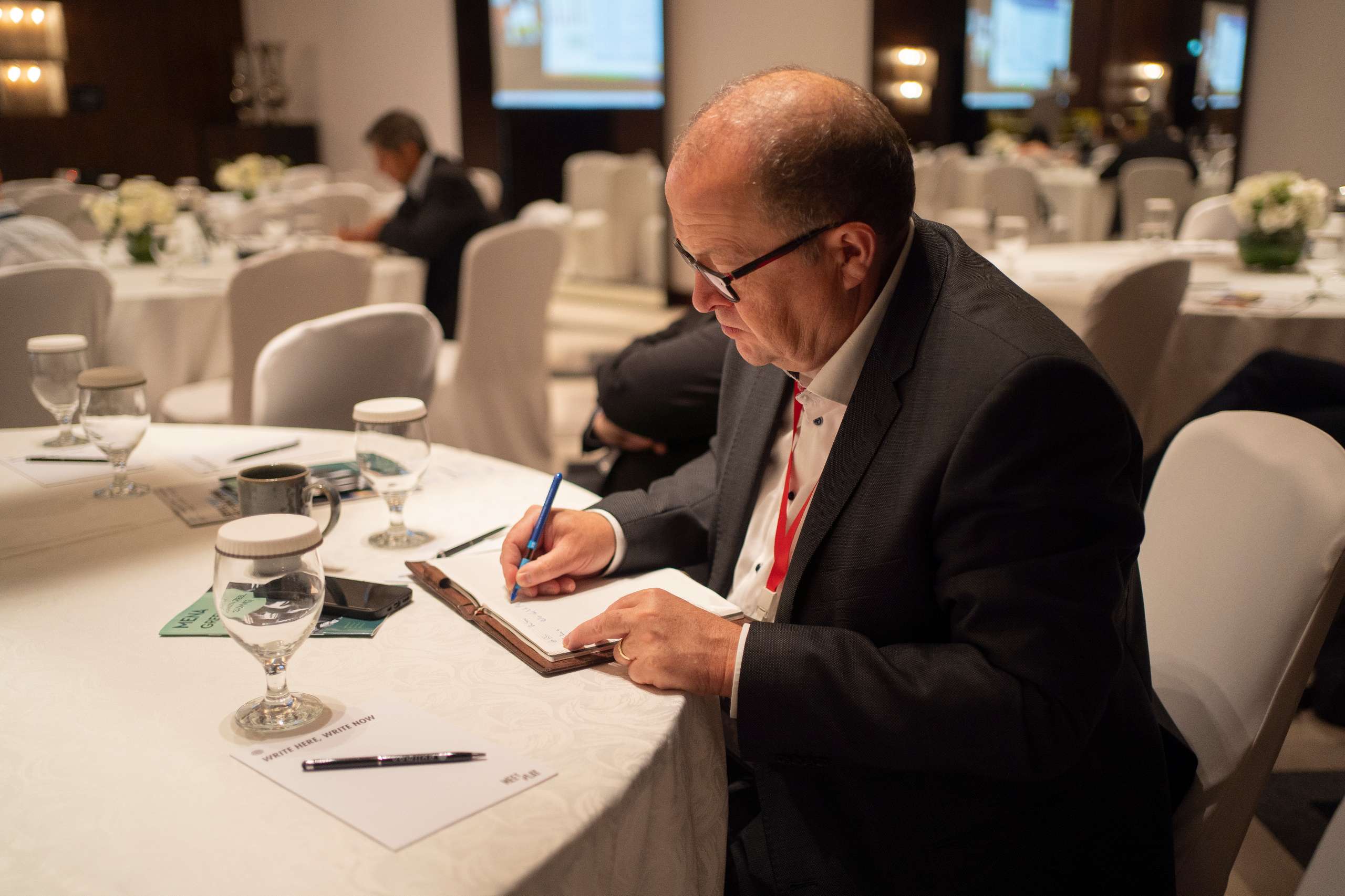
Networking sessions are an important part of many business conferences. They provide opportunities for attendees to connect, exchange ideas, and build professional relationships.
Unlike staged presentations, networking photography depends heavily on timing and observation. The photographer should capture natural interactions without making participants feel uncomfortable or interrupting conversations.
Useful moments include:
- Attendees greeting one another.
- Small groups discussing business topics.
- Speakers meeting participants after presentations.
- Informal conversations over refreshments.
- Group photographs and professional introductions.
- Audience reactions during networking activities.
These photographs are particularly valuable for post-event social media content because they communicate the atmosphere and community behind the conference.
8. Executive Portraits During Conferences
A conference is also a practical opportunity to update professional portraits of executives, speakers, and senior team members. Companies can set up a small portrait area at the venue instead of arranging a separate photoshoot.
To ensure consistent results, consider:
- Choosing a quiet location away from busy areas.
- Using consistent lighting and a simple background.
- Scheduling short sessions between presentations.
- Informing participants about available time slots.
- Maintaining consistent framing and image quality.
A dedicated portrait setup offers more reliable results than taking photos during networking sessions, where lighting and backgrounds can vary. For professional portraits suitable for company websites and LinkedIn profiles, explore our Headshot Photography services.
9. Lighting, Venue Access, and AV Coordination
Conference venues can present different technical challenges depending on their architecture, lighting equipment, and stage configuration.
Hotel ballrooms, exhibition halls, and convention centres often use different lighting setups. Some presentations also involve large LED screens, changing stage lights, and projection systems.
These conditions can affect exposure, colour consistency, and image quality.
Before the event, coordinate the following details with the venue and AV teams:
Lighting conditions
Ask whether stage lighting will change during presentations and whether photographers will have access to available house lighting. Mixed lighting sources can create inconsistent skin tones and color balance.
Photography positions
Confirm where photographers can stand, move, and work without blocking attendees or presentation equipment.
Venue restrictions
Check photography permissions, access procedures, registration requirements, and any restrictions on professional equipment.
Stage and screen setup
Share information about LED screens, presentation backgrounds, lighting cues, and stage dimensions with the photographer.
Event schedule
Provide the final programme , including session times, speaker names, breaks, and any last-minute changes.
For a better understanding of how lighting affects professional images, explore our guide to Photography Lighting.
Good coordination before the event reduces technical problems and allows the photographer to focus on capturing important moments.
10. Conference Photography Deliverables and Turnaround
The final photography collection should be planned around how the images will be used.
For example, the social media team may need a small selection of photographs shortly after the opening session, while the communications team may require a complete gallery for a post-event report.
A practical delivery plan can include two stages:
Same-day or next-day highlights
A selected collection of edited photographs can be prepared for immediate use in social media updates, press communications, and event recaps. If rapid delivery is important, agree on the number of images and delivery deadline before the event.
Final edited gallery
The complete collection can be delivered after the event, with the timeline agreed according to the event's duration, coverage requirements, and number of photographs.
Before confirming a booking, discuss:
- The estimated number of edited photographs.
- Whether same-day or next-day delivery is required.
- The final gallery delivery date.
- Image resolution and file formats.
- Any specific editing or brand requirements.
- How the photographs will be shared with your team.
The number of final images depends on the conference schedule, coverage duration, number of photographers, and activities taking place. A clear agreement helps ensure that the delivered collection meets the event's actual requirements.
11. Choosing a Conference Photographer in Dubai and Abu Dhabi
Choosing a conference photographer involves more than comparing portfolios. You need someone who understands event schedules, works effectively in professional environments, and can adapt to unexpected changes.
When reviewing potential photographers, consider these factors:
Relevant event experience
Look for examples of keynote presentations, panel discussions, networking sessions, and exhibition coverage.
Ability to work in different venues
Experience with hotel ballrooms, conference centres, and exhibition spaces is useful when planning events across Dubai and Abu Dhabi.
Technical flexibility
The photographer should be comfortable working with changing lighting conditions, restricted shooting positions, and busy event schedules.
Communication and coordination
A professional photographer should be able to work with organizers, marketing teams, venue staff, and AV operators.
Delivery process
Confirm how images are selected, edited, organised, and delivered after the event.
ShootEmpire works with photographers across different event formats and visual requirements. Depending on your conference needs, you can explore the portfolios of:
- Salman Saharia — for keynote and main-stage photography.
- Aakash Saxena — for networking and candid event moments.
- Kiran Krishnan — for consistent brand-focused visual coverage.
You can explore the available options through our Event Photography service.
The most suitable photographer or team will depend on your event schedule, preferred visual style, and required deliverables.
12. Frequently Asked Questions
How many photographers do I need for a conference?
A small conference with one main stage may only require one photographer. Events with parallel sessions, exhibition areas, or multiple venues generally benefit from two or more photographers. The final team size should reflect the programme and coverage priorities.
How many photographs are delivered after a conference?
There is no fixed number for every event. The final collection depends on the conference duration, number of attendees, activities, and photography team size. Discuss your expected deliverables before booking.
Can conference photography include video coverage?
Yes. Photography can be combined with short-form video production, provided the team and equipment are planned accordingly
Can photographers cover multiple conference rooms at the same time?
Yes, but simultaneous sessions require additional photographers. A single photographer cannot provide dedicated coverage for activities taking place in separate rooms at the same time.
How quickly can we receive conference photographs?
Delivery depends on the agreed package and editing requirements. If your team needs photographs for same-day social media updates or press releases, arrange a priority selection and delivery deadline before the conference.
Can we arrange executive headshots during a conference?
Yes. A dedicated portrait area can be arranged at the venue for executives, speakers, and other participants. Scheduling appointments in advance helps keep the process organised.
Do we need to arrange photography permissions at the venue?
Venue policies vary. Some locations require advance approval, equipment registration, or specific access arrangements. Confirm these requirements with the venue before the event.

Plan Your Conference Photography with ShootEmpire
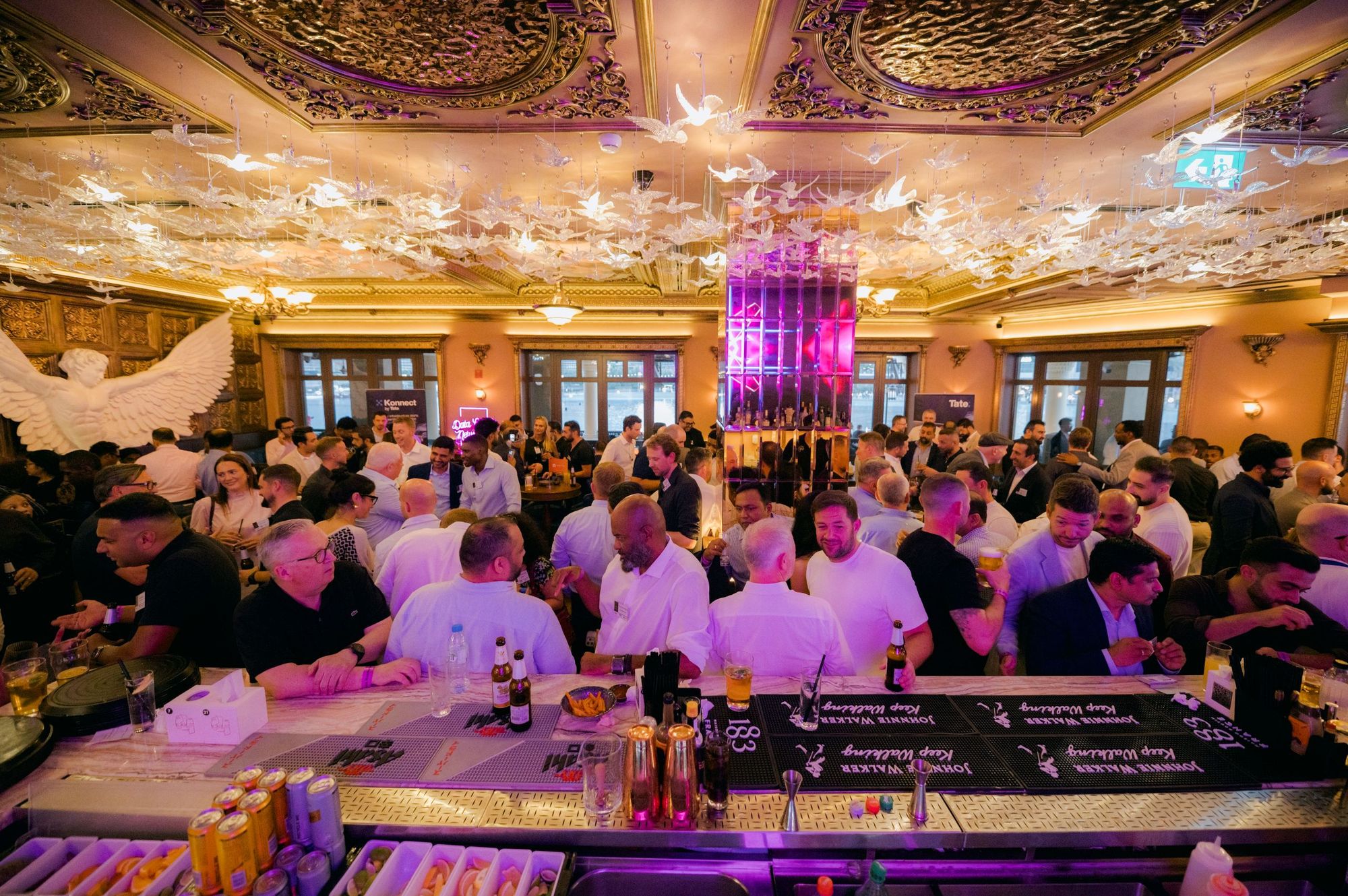
A well-planned photography team helps you capture more than the main presentations. It creates a visual record of your speakers, attendees, sponsors, and the interactions that define your conference.
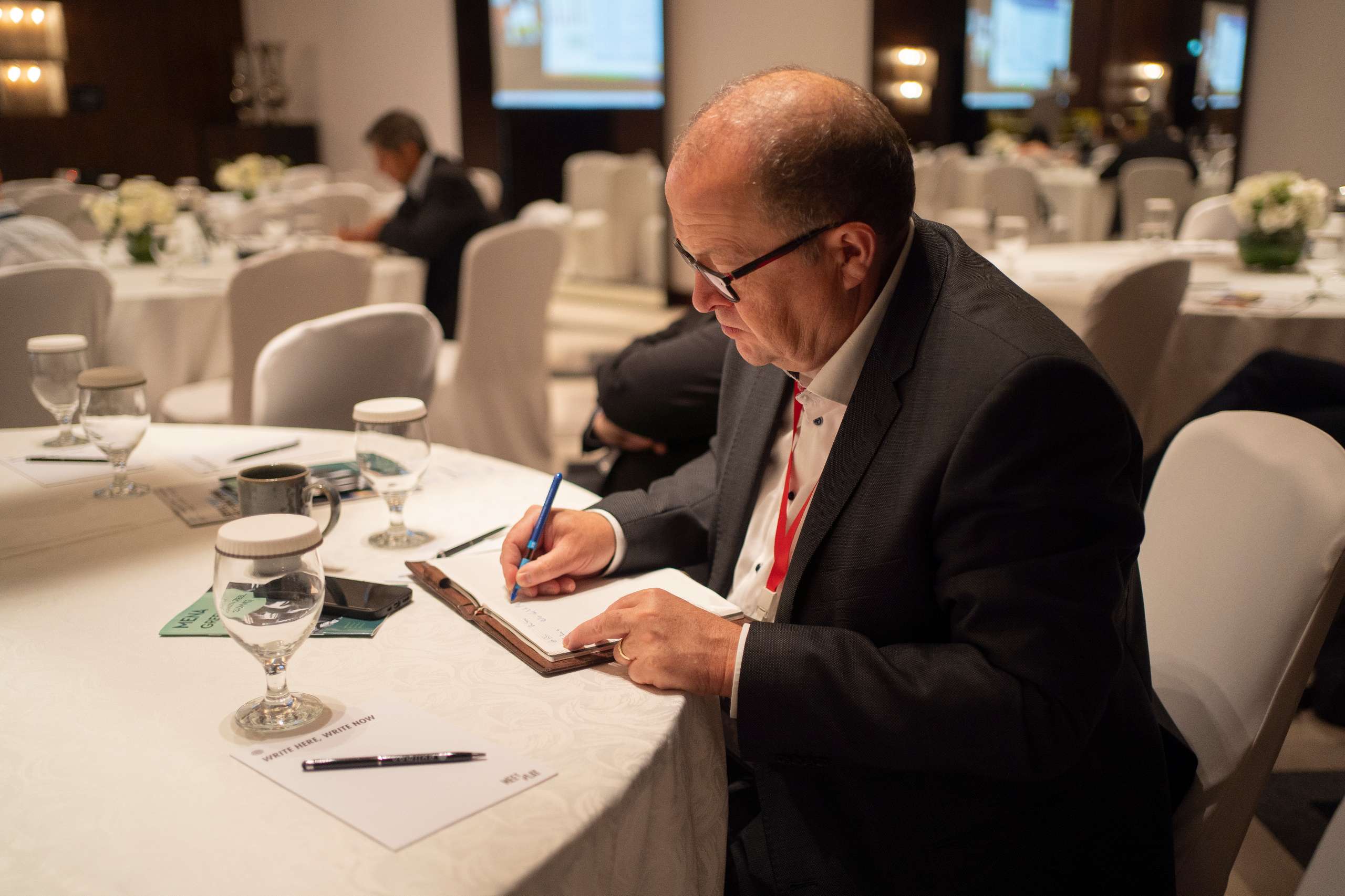
From keynote presentations to sponsor interactions, find a photography team that understands your conference schedule and coverage priorities.