Corporate Event Photography Checklist for Dubai Venues: Shot List + Timeline


Read time: 12–14 mins
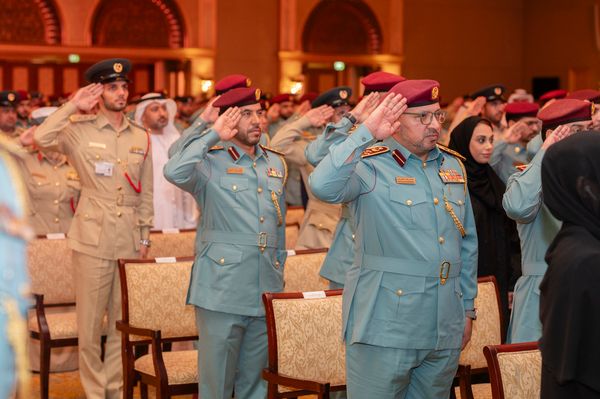
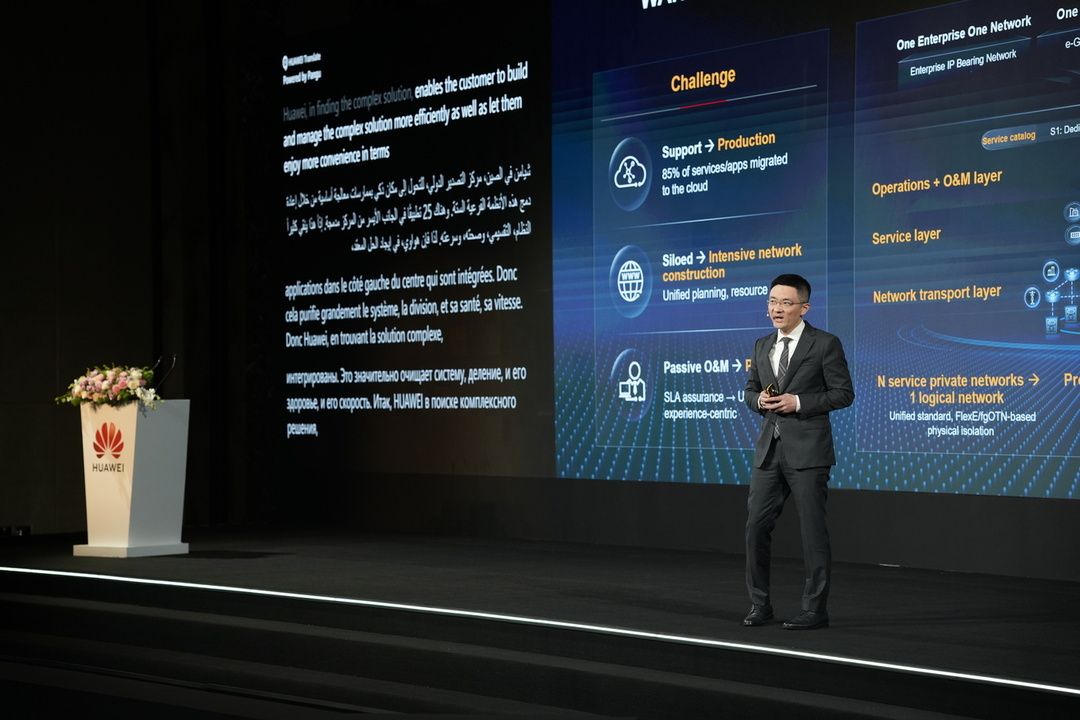
Corporate events in Dubai are fast‑moving, visually rich, and brand‑sensitive. If you want event photos that actually support PR, marketing, and internal communications, you need a checklist that covers both what to capture and when to capture it. This guide combines a practical shot list with a timeline you can hand to planners, AV teams, and your photographer.
For professional coverage, start with our Event Photography service. If you need consistent brand imagery across teams, also check Branding Photography and Headshots. For social clips, our Reels/TikTok service complements photo coverage.
Table of contents
- 1) Why a venue‑specific checklist matters in Dubai
- 2) Pre‑event inputs you must collect
- 3) Core corporate event shot list
- 4) Sample timeline with photography checkpoints
- 5) Venue notes: ballrooms, hotels, and DWTC
- 6) Brand & sponsor coverage priorities
- 7) Executive and team coverage
- 8) Lighting & AV coordination
- 9) Access, permissions, and security
- 10) Deliverables, usage rights, and turnaround
- 11) Team size and gear planning
- 12) Meet three ShootEmpire photographers
- 13) FAQs

1) Why a venue‑specific checklist matters in Dubai
Dubai venues are highly polished and visually complex — LED walls, colored stage lights, large sponsor boards, and multi‑room layouts are common. That’s great for the brand, but it increases the chance of missing key moments unless your shot list is structured by venue and timeline.
A checklist helps you capture what leadership and marketing care about: stage moments, executive presence, sponsor visibility, and audience engagement. It also reduces stress on event day because the photographer knows exactly what to prioritize.
Finally, a venue‑specific checklist helps the AV and operations teams support you. When they know which moments are critical, they can give you access, clear lines of sight, and helpful lighting cues.
2) Pre‑event inputs you must collect
Before the event, gather the essentials. This is the difference between a smooth shoot and a chaotic one:
- Final run‑of‑show: speaker order, awards, cues, and timing.
- VIP list: who needs portraits, who prefers candid coverage, and who must be photographed with specific guests.
- Brand priorities: which sponsors or assets must appear in the final gallery.
- Access rules: backstage, green rooms, or restricted areas.
- Lighting plan: stage light temperature, house light timing, and screen brightness.
If headshots are part of the program, decide on a time slot and location in advance. A dedicated station is best, and it can be paired with your headshot plan to keep results consistent.
3) Core corporate event shot list
Use this shot list as a base. It covers the essentials for conferences, executive briefings, product launches, and awards nights.
Venue & environment
- Exterior establishing shots with signage
- Registration area and wayfinding
- Empty ballroom before guests arrive
- Stage, screens, and seating layout
Branding & sponsors
- Sponsor wall (clean + with guests)
- Logo placements (podium, screen, signage)
- Branded materials: programs, badges, gifts
Speakers & leadership
- Keynotes (wide + close‑up)
- Panels and Q&A
- Executive portraits (quick, on‑site)
Audience & engagement
- Audience reactions and applause
- Networking and conversations
- Hands raised during Q&A
Highlights
- Awards and trophies
- Product unveil moments
- Ribbon cuts or ceremonial moments
For additional promotional content, capture short clips for social. This aligns perfectly with Reels/TikTok coverage.
4) Sample timeline with photography checkpoints
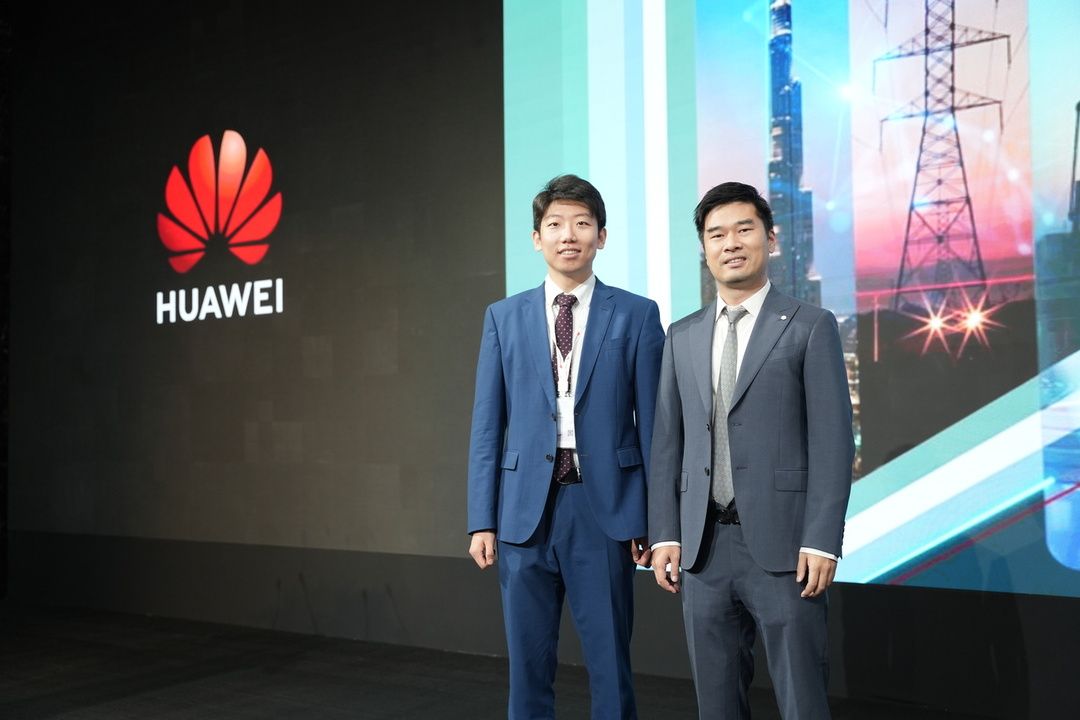
Below is a practical timeline for a typical one‑day corporate event. Adjust for multi‑day conferences by duplicating the mid‑day and closing sections.
2–3 hours before doors open
- Exterior and signage
- Empty ballroom and stage
- Registration desks and sponsor wall
1 hour before doors open
- Team and volunteer photos
- Speaker portraits and mic checks
- Branding details (programs, gifts)
Registration & arrivals
- Guest check‑in
- VIP arrivals
- Networking at sponsor wall
Opening session
- Stage wide shots
- Speaker close‑ups
- Audience engagement
Breaks + networking
- People networking
- Booth interactions
- Refreshment stations
Awards / closing
- Handshakes and trophy moments
- Group stage photos
- Final crowd shots
5) Venue notes: ballrooms, hotels, and DWTC
Most corporate events in Dubai happen in hotels or conference centers like DWTC. Common challenges include mixed lighting, large spaces, and restricted movement during sessions.
- Ballrooms: mixed LED and chandelier light — check color temperatures.
- Conference halls: long sight lines — plan multiple angles for keynotes.
- Hotels: tighter spaces and reflective surfaces — minimize glare.
If your event includes outdoor sections, plan timing around the light. Even if you don’t shoot outdoors, understanding the golden hour helps you schedule any exterior shots.
6) Brand & sponsor coverage priorities
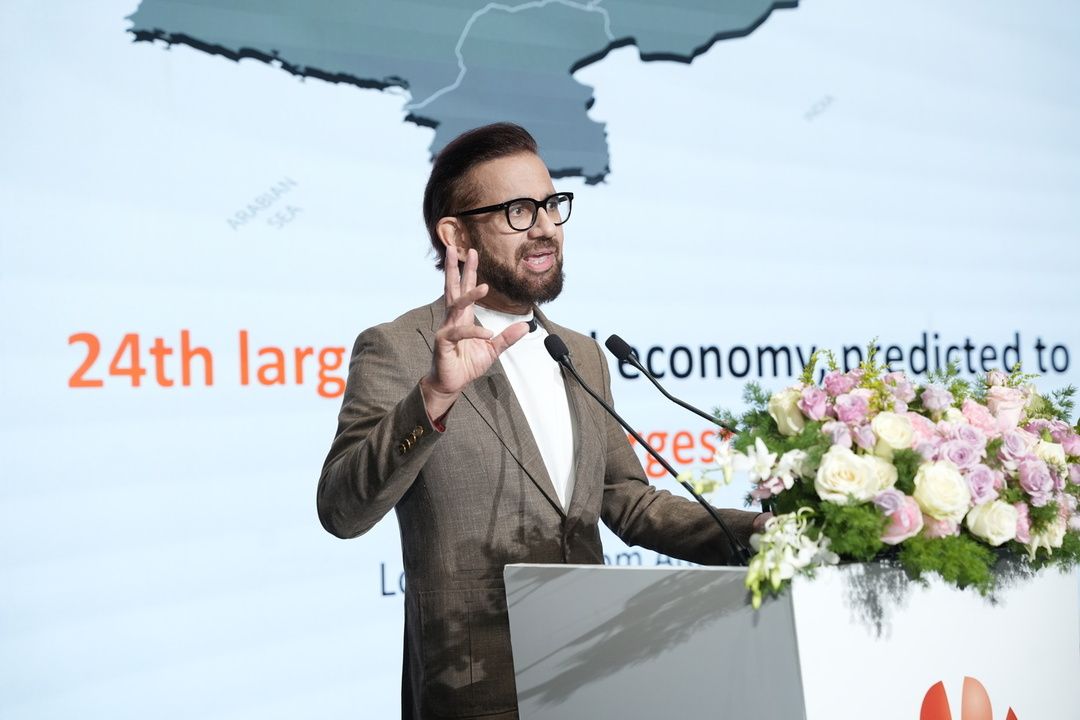
Sponsors fund the event, and brand teams need proof. Get clean shots of the sponsor wall, branded stages, and any booths or activations. Then capture those same elements with people interacting — these are the images marketing will use.
To keep brand visuals consistent across channels, align with your branding photography guidelines (color tone, framing, and mood).
7) Executive and team coverage
Corporate events often revolve around leadership. Capture executive presence with keynote frames, candid networking, and 2–3 clean portraits. Team coverage should include group shots and candid collaboration moments to show culture.
If you have time, set up a small portrait station for executives and staff. This pairs well with headshots and yields usable content for LinkedIn and internal profiles.
8) Lighting & AV coordination
Stage lighting can shift quickly — cool blue one minute, warm amber the next. Ask the AV team about light cues and color changes. When possible, stay within consistent color temperatures to avoid mismatched skin tones.
For a deeper understanding of lighting balance, see our Photography Lighting guide. It’s useful for planning how to combine ambient light with flash or continuous lights.
9) Access, permissions, and security
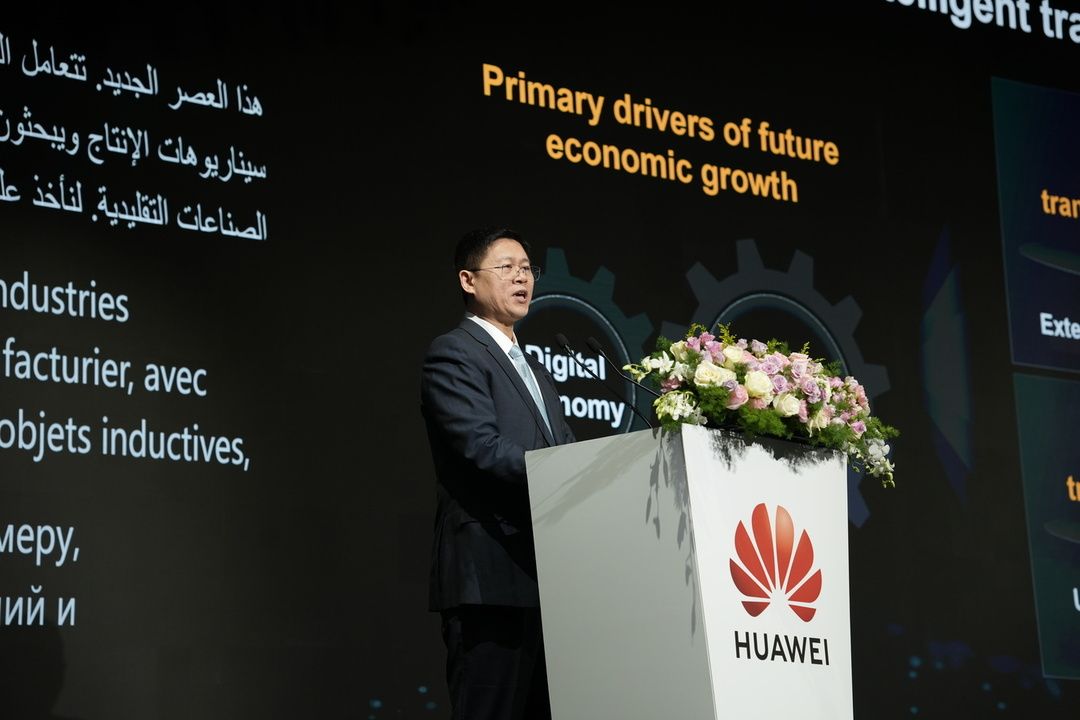
Dubai events can have strict security. Provide equipment lists, photographer IDs, and arrival times in advance. Confirm access to backstage areas and stage edges so you don’t lose critical angles.
Make sure the photographer knows any “no‑photo” zones or speakers who require approval. This avoids awkward on‑site conflicts.
10) Deliverables, usage rights, and turnaround
Clarify deliverables early. Common corporate packages include a full edited gallery, a highlight set (50–150 images), and a selection of hero images for PR.
Agree on usage rights for internal marketing, press, and public campaigns. If you need fast delivery, define a same‑day or next‑day highlight set, then a full gallery within 5–10 days.
11) Team size and gear planning
Large events usually need more than one photographer. A second shooter allows simultaneous coverage of keynotes and networking. For multi‑room events, two shooters are often essential.
Gear essentials include two camera bodies, fast lenses (24–70, 70–200), extra batteries, and a reliable flash system. If the venue has strong ambient light, use it to keep the atmosphere natural.
12) Meet three ShootEmpire photographers
Three current ShootEmpire photographers with corporate event experience:
- Salman Saharia — clean keynote coverage and executive portraits.
- Aakash Saxena — strong candid coverage with dynamic angles.
- Kiran Krishnan — balanced storytelling and consistent brand visuals.
See portfolios on Event Photography.
13) FAQs
How many photos should we expect from a full‑day event?
Most full‑day corporate events yield 400–800 edited images, plus a highlight set for marketing.
Do we need a second photographer?
Yes, for large venues or parallel sessions. It ensures key moments aren’t missed.
Can we combine event coverage with headshots?
Absolutely. Schedule a headshot station and coordinate with your headshot plan.
When should we share the final run‑of‑show?
At least 48 hours before the event so the photographer can plan positioning and cues.
Ready to plan your event coverage?
Tell us your event details and we’ll recommend the right coverage plan, team size, and turnaround timeline.
Start a booking · View event photography packages · Talk to concierge