Fashion Photoshoot Pricing in Dubai: What Affects Cost

Read time: 10–12 mins
Fashion photoshoot pricing in Dubai varies more than most people expect. A small lookbook session with two outfits and a single location has a very different cost profile than an editorial set with a stylist, HMUA team, permits, and commercial usage rights. This guide breaks down the real cost drivers so you can plan a shoot that matches your goals and budget — without cutting corners that harm the final images.
If you’re comparing packages, start with our Modeling Photography service page. For brand campaigns or business content, see Branding Photography. For clean portrait‑style sets, see Headshots.
Table of contents
- 1) Typical pricing ranges (what’s normal?)
- 2) The purpose of the shoot (portfolio vs commercial)
- 3) Duration, outfits, and deliverables
- 4) Location costs, permits, and travel
- 5) Crew size: photographer, assistant, HMUA, stylist
- 6) Lighting setup (studio vs on‑location)
- 7) Retouching depth and final image count
- 8) Usage rights and licensing
- 9) Model casting and talent fees
- 10) Timing, rush fees, and day‑of changes
- 11) How to reduce cost without losing quality
- 12) Meet three ShootEmpire photographers
- 13) FAQs
1) Typical pricing ranges (what’s normal?)
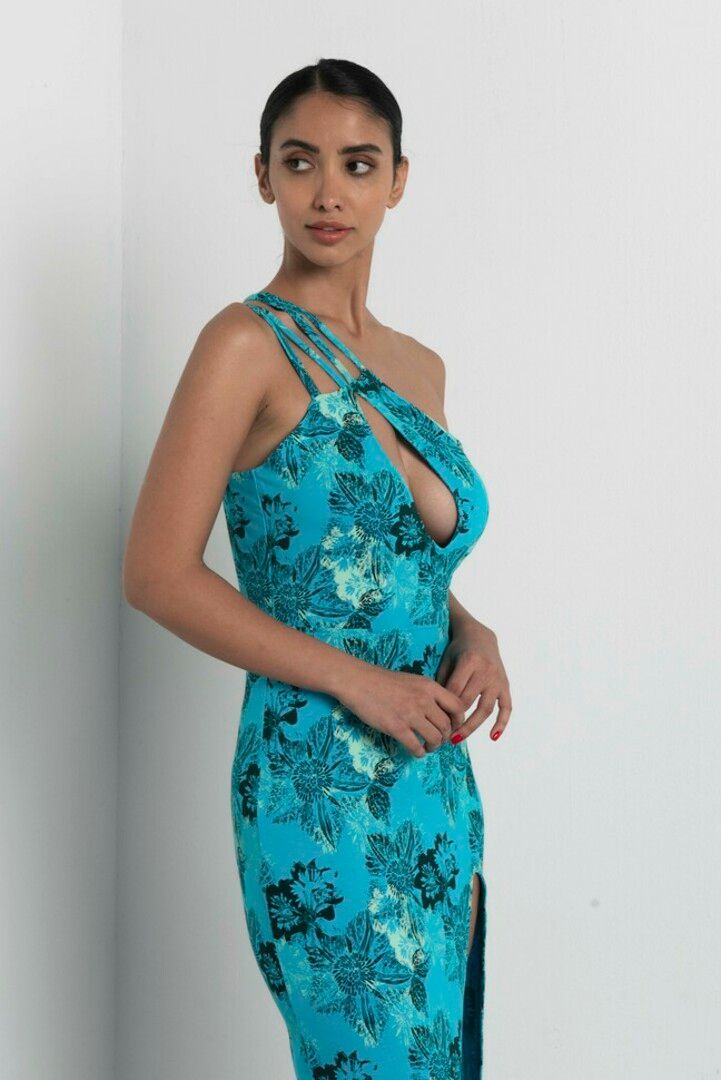
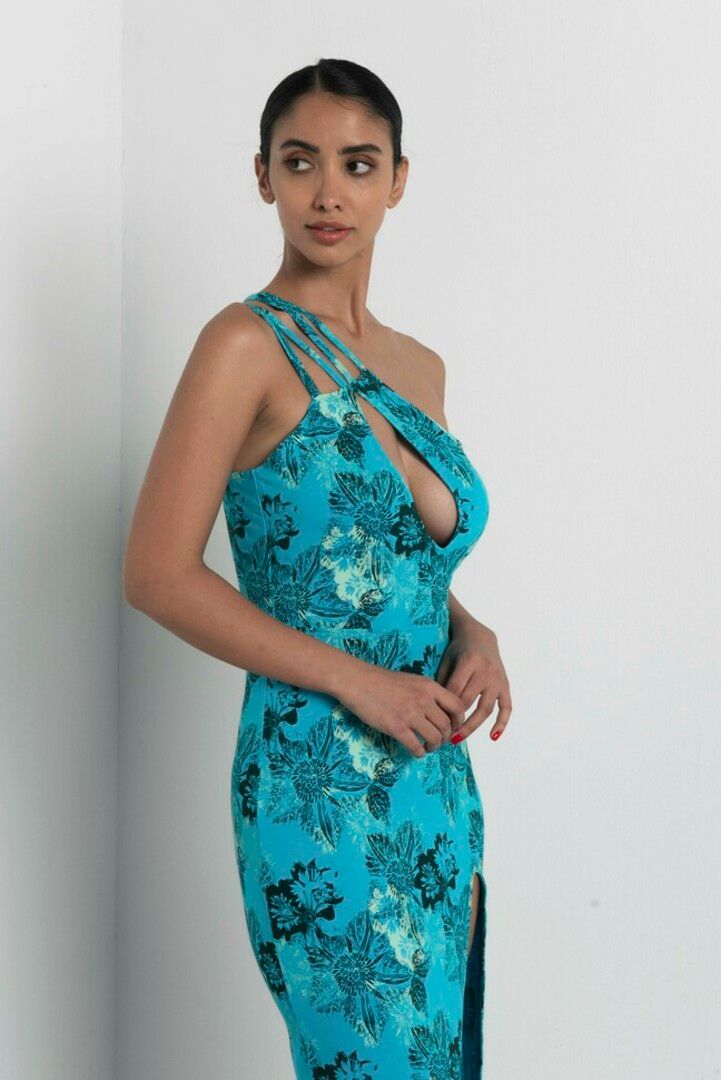
There isn’t a single “correct” price for a fashion photoshoot in Dubai, but most professional shoots fall into a few bands. A short portfolio refresh (1–2 hours, simple setup) is usually the entry point. A mid‑range lookbook or editorial session with multiple outfits and polished retouching costs more. Commercial campaigns with broader usage rights, additional crew, and tighter deadlines are the highest tier.
Think in terms of scope: the more complex the concept, the more time and talent the shoot needs. A reliable way to compare quotes is to list: hours on set, number of final images, editing depth, and usage rights. If these are clear, pricing becomes easy to evaluate.
2) The purpose of the shoot (portfolio vs commercial)
Portfolio work is usually lighter: the main goal is to show variety and quality for agencies or personal branding. Commercial work is different — the images are used to sell a product or represent a brand, which often requires extra precision, extra review rounds, and extended licensing.
That’s why a brand campaign often costs more than a model portfolio shoot, even if the time is similar. If you’re creating business content (founder portraits, product lookbook, or brand visuals), check our Branding Photography service for the typical structure.
3) Duration, outfits, and deliverables
Hours on set are the most obvious cost driver, but the number of outfits and deliverables matter just as much. A two‑hour shoot with two outfits might deliver 12–18 final images, while a four‑hour shoot with six outfits could deliver 25–40. More outfits means more time for styling changes, hair adjustments, and re‑lighting.
To keep pricing reasonable, lock the number of outfits early and prioritize your must‑have looks. If you’re unsure, build a shot list based on this guide: How to prepare for a fashion or modeling shoot.
4) Location costs, permits, and travel
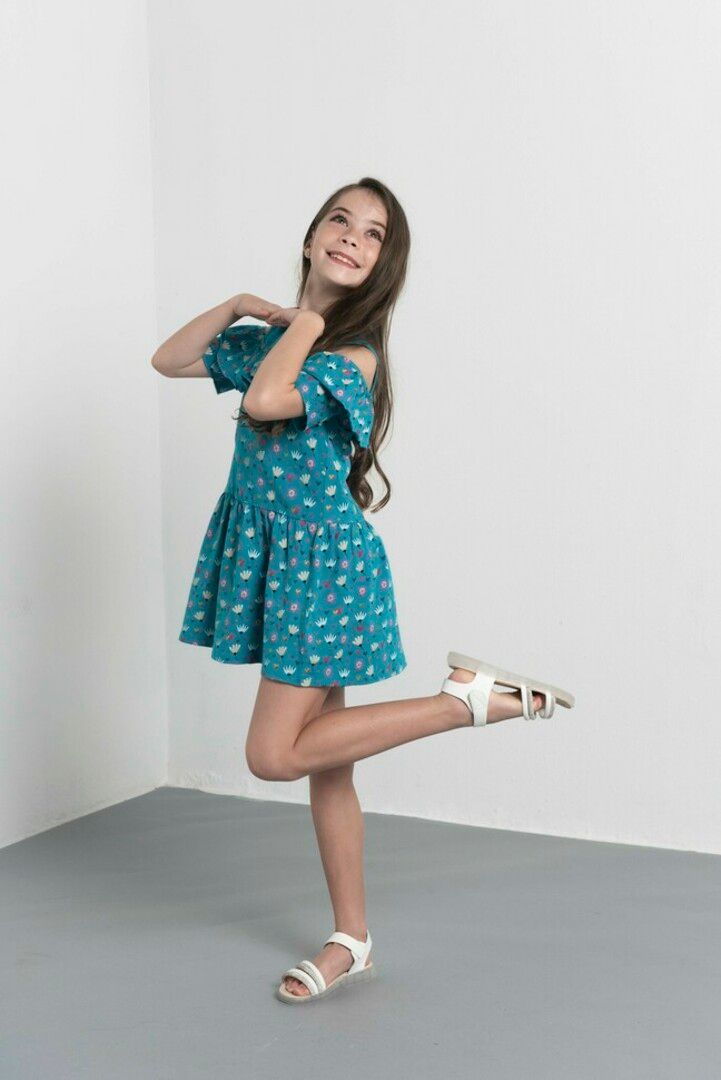
Locations can be free, low‑cost, or premium — and the difference is big. Public spaces are cheaper but less controllable. Private venues (hotels, villas, studios) often require booking fees or permits. Travel time also affects pricing; the further the location, the longer the crew day becomes.
If you want cinematic outdoor sets, consider a desert photoshoot — but remember to budget for transport and sunrise/sunset timing. For a lighter budget, choose 1–2 nearby locations with flexible access.
5) Crew size: photographer, assistant, HMUA, stylist
At minimum, you need a photographer. But most fashion shoots benefit from a makeup artist and sometimes a stylist. Adding a lighting assistant keeps the shoot moving and reduces downtime between setups.
Each role increases cost, but it also increases quality and consistency. If your budget is tight, prioritize HMUA and a single assistant — you’ll feel the difference in the final images.
6) Lighting setup (studio vs on‑location)
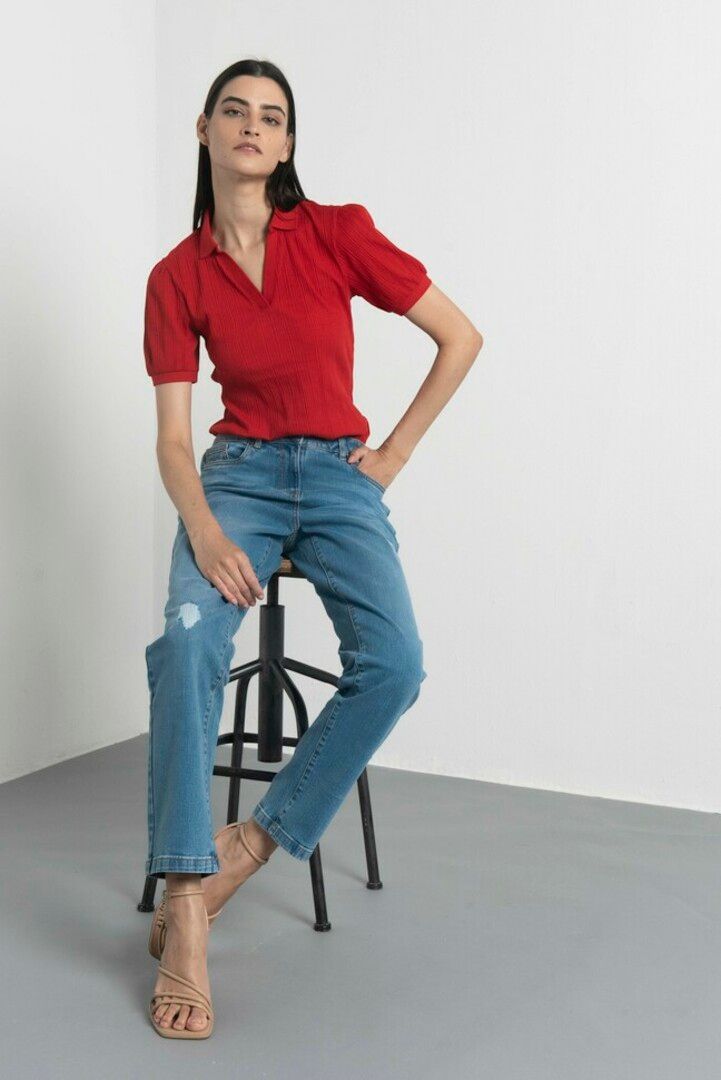
Studio sessions are controlled and efficient, which can reduce risk and editing time. On‑location shoots are more dynamic, but lighting changes quickly, and you’ll need extra gear and a more experienced crew. That increases cost slightly.
For lighting style references, see Photography Lighting and Editorial Fashion Lighting.
7) Retouching depth and final image count
Retouching is where a lot of hidden cost lives. Basic color correction is fast, but advanced retouching (skin cleanup, fabric smoothing, background refinement) can take 20–40 minutes per image. Multiply that by 20 images and the cost adds up.
Ask for a clear retouching scope: how many images are included, and what level of editing is expected. If you want a magazine‑level finish, plan for it in the budget.
8) Usage rights and licensing
If the images are for personal use or portfolio, licensing is usually simple. If they are for paid advertising or commercial distribution, you’re paying for usage rights. This is standard in fashion and brand photography and protects both parties.
Be specific: where will the images be used, for how long, and on what platforms? The more commercial the usage, the higher the licensing component.
9) Model casting and talent fees
If you’re hiring models, add talent fees to the budget. Experienced models charge more but deliver stronger results with less direction. If you’re the model, you can reduce cost here — but invest more in HMUA and styling to keep quality high.
For portfolio‑style shoots, many clients use a mix of new and experienced talent to balance cost and quality.
10) Timing, rush fees, and day‑of changes
Weekend shoots, last‑minute bookings, or rush delivery usually cost more. If you need images fast, plan for a rush fee — it often means the editing team works nights or rearranges the schedule.
To stay on budget, finalize creative details before the shoot day. Late changes (location swap, extra outfits) almost always increase cost.
11) How to reduce cost without losing quality
- Limit outfits to 2–3 high‑impact looks
- Shoot in one main location and one secondary spot
- Choose a clean concept that doesn’t require heavy props
- Prioritize HMUA and basic lighting over extra extras
A clean, focused concept usually looks more premium than a complicated shoot with too many moving parts.
12) Meet three ShootEmpire photographers
Three current photographers with fashion/modeling experience:
- Salman Saharia — polished studio work with clean editorial lighting.
- Aakash Saxena — dynamic outdoor fashion frames with cinematic contrast.
- Kiran Krishnan — minimalist sets with sharp, modern compositions.
View portfolios and packages on Modeling Photography.
13) FAQs
How many final images should I expect?
It depends on duration and retouching depth, but 12–30 final images is typical for a half‑day fashion shoot.
Is a studio always more expensive?
Not necessarily. A studio can reduce delays and editing time, which sometimes lowers overall cost.
Can I bring my own stylist or HMUA?
Yes. If you already have a team, your photographer can integrate them into the workflow.
What’s the best way to get a precise quote?
Share your concept, location, number of outfits, desired deliverables, and usage rights.
Related services: Modeling photography · Branding photography · Headshots
Ready to plan your event coverage?
Tell us your event details and we’ll recommend the right coverage plan, team size, and turnaround timeline.
Start a booking · View event photography packages · Talk to concierge