Camera Angles in Photography: Types, Examples and Tips
Learn the main camera angles in photography with examples, when to use each angle, and how better angles improve portraits, events, and brand photos.

Camera Angles in Photography: Types and Examples
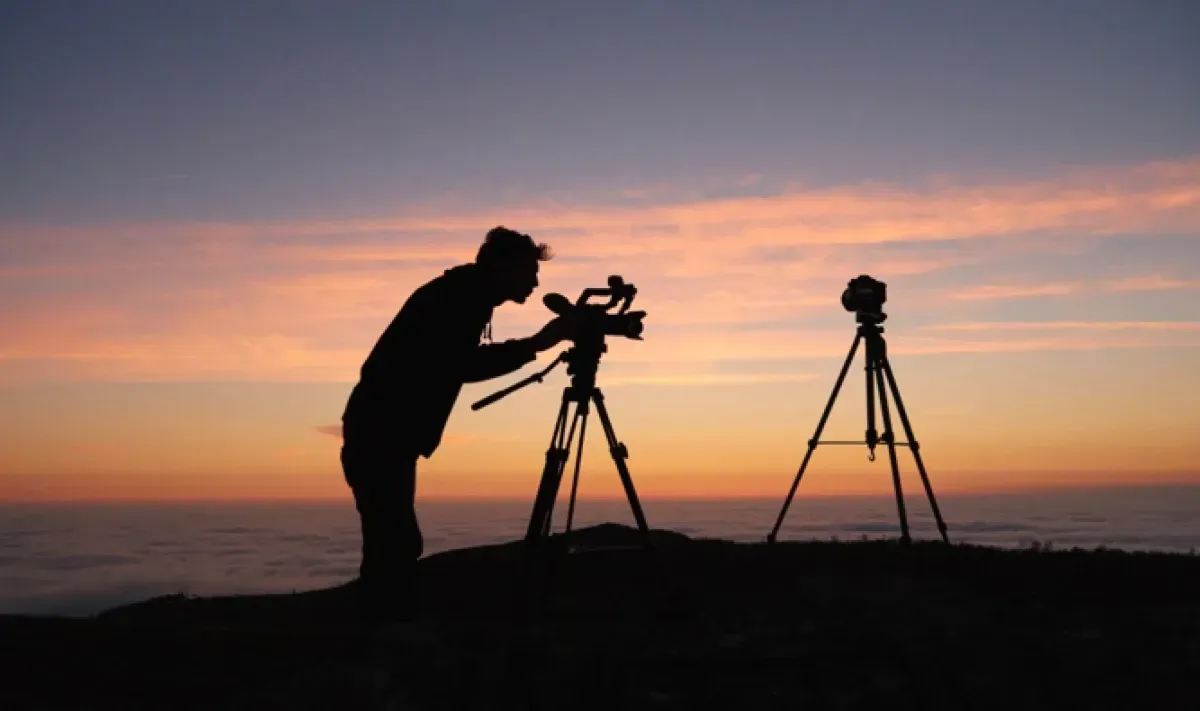
Camera angles in photography are the camera positions you choose in relation to your subject. Eye-level, low, high, bird’s-eye, worm’s-eye, Dutch, over-the-shoulder, and close-up angles each change how a portrait, event, brand image, or product photo feels.
Quick list of common camera angles
- Eye-level angle
- Low angle
- High angle
- Bird’s-eye view
- Worm’s-eye view
- Dutch angle
- Over-the-shoulder angle
- Close-up/detail angle
Want a photographer who guides poses and angles? Book a Dubai photoshoot with ShootEmpire.
These angles matter in real shoots too: a modeling photoshoot needs flattering pose direction, a graduation photoshoot needs confident portraits, event photography needs storytelling coverage, and a branding photoshoot needs images that feel intentional.
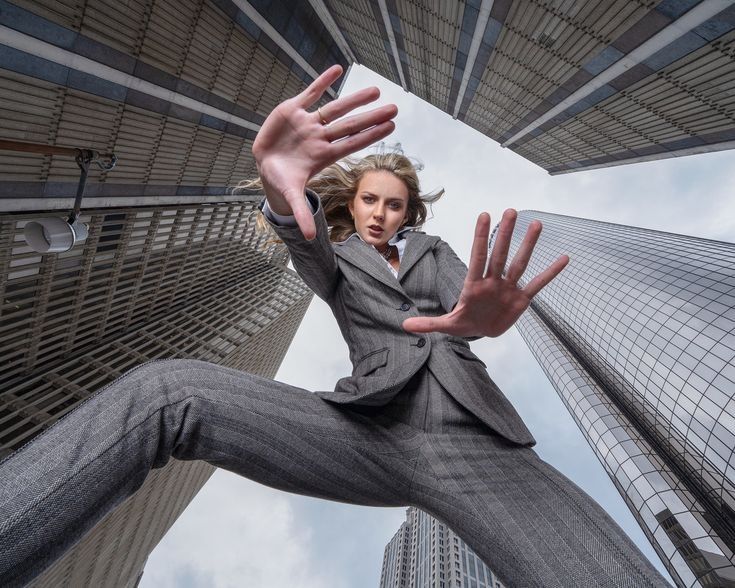
What Are Photography Angles & Why Do They Matter?
Photography Angles describe the relative position of the camera to your subject. This single choice can:
- Establish power dynamics (High Angle vs. Low Angle).
- Create intimacy or distance.
- Emphasize scale, texture, and environment.
When you deliberately select a Camera Perspective, you harness a visual language. A slight tilt up or down becomes a sentence; a dramatic bird’s-eye view is an exclamation. By understanding why these angles matter, you gain full control over your image’s impact.It’s especially powerful in creative settings like a stylized fashion photography Dubai session.
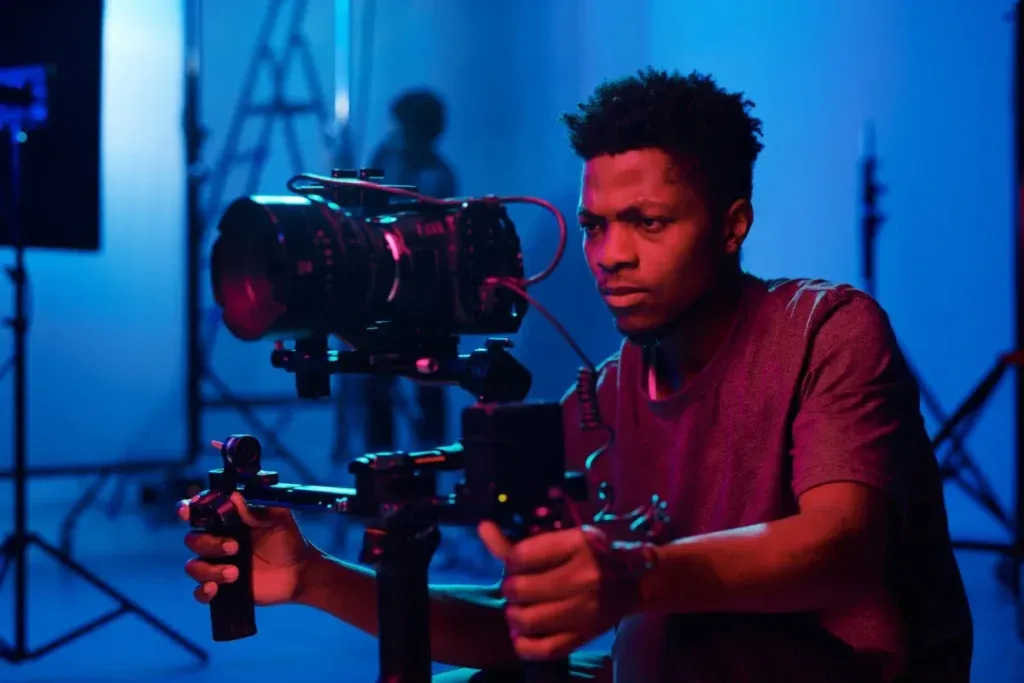
Different Types of Camera Angles (High, Low, Eye-Level)
1. Low Angle
○ Effect: Conveys strength, power, and grandeur
○ Use: Superhero-style portraits, towering architecture
○ Tip: Place your camera near the ground and shoot upward to exaggerate height and dominance.
2. High Angle
○ Effect: Suggests vulnerability, smallness, or innocence
○ Use: Emotional child portraits, overhead flat lays
○ Tip: Use a stool, rooftop, or drone for a true bird’s-eye perspective—perfect for dynamic projects when you shoot in Dubai’s urban spaces.
3. Eye-Level
○ Effect: Feels natural, honest, and direct—like a conversation
○ Use: Street photography, headshots, interviews
○ Tip: Keep your lens aligned with the subject’s eyes for maximum connection. This is a go-to for clients researching photoshoot in Dubai price options who want images that feel genuine.
These foundational Composition Techniques—especially the contrast between High Angle vs. Low Angle—give you a toolkit for varied storytelling.
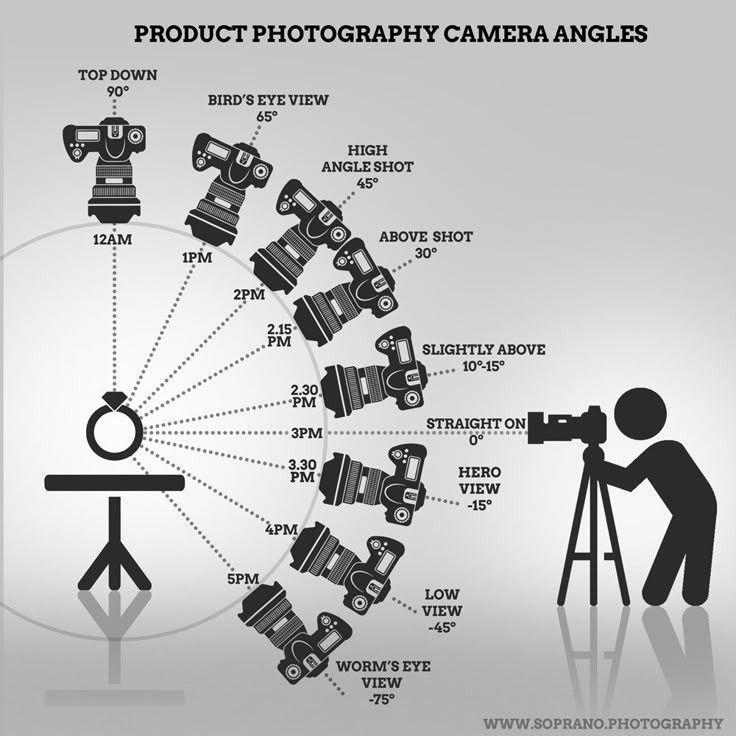
How Viewing Angles Impact Emotion & Storytelling
Every shift in Camera Perspective writes a new chapter in your visual tale:
- Low Angles empower your subject, making them heroes in their own story.
- High Angles evoke empathy, highlighting fragility or context.
- Oblique Angles (tilted frames) inject tension and drama.
- Bird’s-Eye Views detach the viewer, showing patterns and scale overlooked at eye level.
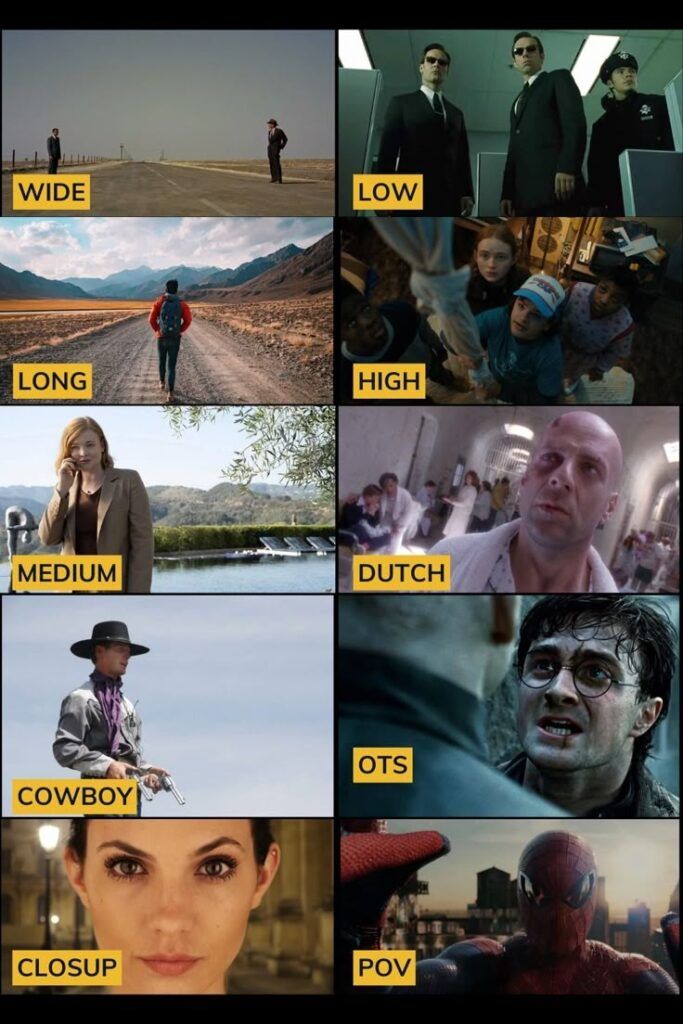
By consciously choosing your Photography Angles, you guide viewers through emotional highs and lows—crafting a cohesive narrative arc in a single frame.
If you’ve ever tried a desert photoshoot Dubai style, you know how angle can shape both emotion and atmosphere—turning sand dunes into an epic stage.
Best Camera Angles for Portraits, Landscapes, & Products
| Genre | Recommended Angles | Why It Works |
|---|---|---|
| Portraits | Eye-Level, Low Angle | Builds rapport; low angles add strength. |
| Landscapes | High Angle, Bird’s-Eye View | Reveals vastness; emphasizes scale and context. |
| Products | High Angle (flat lay), Straight-On Eye-Level | Flat lays highlight detail; eye-level feels direct. |
- Portraits: Start at Eye-Level for intimacy, then experiment with Low Angle for drama.
- Landscapes: Seek elevation—cliffs, drones, or rooftops—to capture sweeping vistas.
- Products: Use a High Angle flat lay for clean composition; switch to Eye-Level for lifestyle shots.
These Best Camera Angles adapt across genres, always fueling stronger storytelling.
Tips to Experiment with Creative Perspectives
- Move Around: Small position changes can yield radically different Photography Angles.
- Layer Foreground & Background: Use depth to amplify emotion.
- Combine Lenses & Angles: A wide lens at a Low Angle exaggerates scale; telephoto from High Angle compresses space.
- Embrace the Unconventional: Try Dutch angles or extreme close-ups to surprise viewers.
- Reflect & Review: Analyze which Camera Perspectives best convey your intended mood.
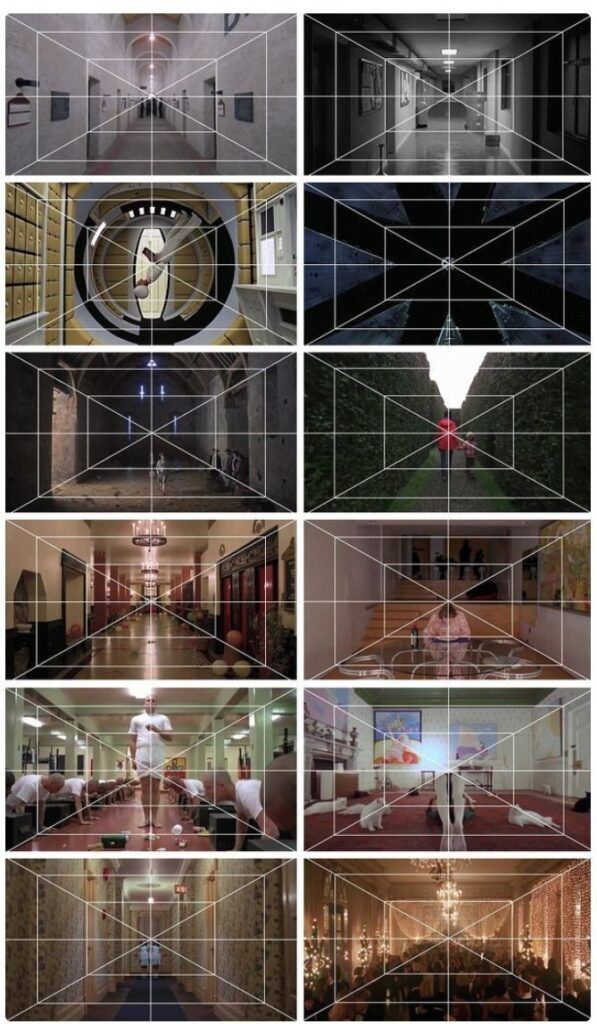
By mastering Photography Angles, understanding High Angle vs. Low Angle, and employing robust Composition Techniques, you transform your photographs into immersive stories. Next time you shoot, consider: Which Camera Perspective will best serve my narrative? Then choose it boldly, and let your images speak volumes.
Related services:
Ready to plan your event coverage?
Tell us your event details and we’ll recommend the right coverage plan, team size, and turnaround timeline.
Start a booking · View event photography packages · Talk to concierge
Camera angles FAQ
What are the main camera angles in photography?
The main camera angles are eye-level, low angle, high angle, bird’s-eye view, worm’s-eye view, Dutch angle, over-the-shoulder, and close-up/detail angles.
Which camera angle is best for portraits?
Eye-level usually feels natural and flattering. A slight low angle can add confidence, while close-up detail angles help show expression and styling.
How do angles improve event and brand photos?
Angles add variety and context. Wide angles show the room or brand setup, close-ups show details, and low or high angles can make key moments feel more dynamic.
Ready to apply better angles in real photos? Book a Dubai photographer or compare photoshoot prices.