Editorial Fashion Lighting: Setups That Flatter Fabric & Skin

Read time: 10–12 mins
Editorial fashion lighting is the difference between a “nice portrait” and a frame that feels like a magazine cover. The goal isn’t just to light a face — it’s to shape fabric, highlight texture, and guide the viewer’s eye through the styling. This guide breaks down practical lighting setups that flatter skin and wardrobe, with real‑world tips you can use on your next shoot in Dubai.
If you’re planning a fashion session, start here: Modeling Photography. For brand campaigns, our Branding Photography service shows how we keep lighting consistent across a whole content set.
Table of contents
- 1) What “editorial lighting” really means
- 2) Start with the fabric, not the face
- 3) Softbox key light: clean, classic, reliable
- 4) Beauty dish: contrast without chaos
- 5) Hard light for texture & attitude
- 6) Negative fill: the secret to sculpting
- 7) Background separation + edge highlights
- 8) Color gels for editorial mood
- 9) Outdoor editorial lighting (Dubai edition)
- 10) Camera settings & lens choices
- 11) Styling workflow that keeps lighting consistent
- 12) Meet three ShootEmpire photographers
- 13) FAQs
1) What “editorial lighting” really means
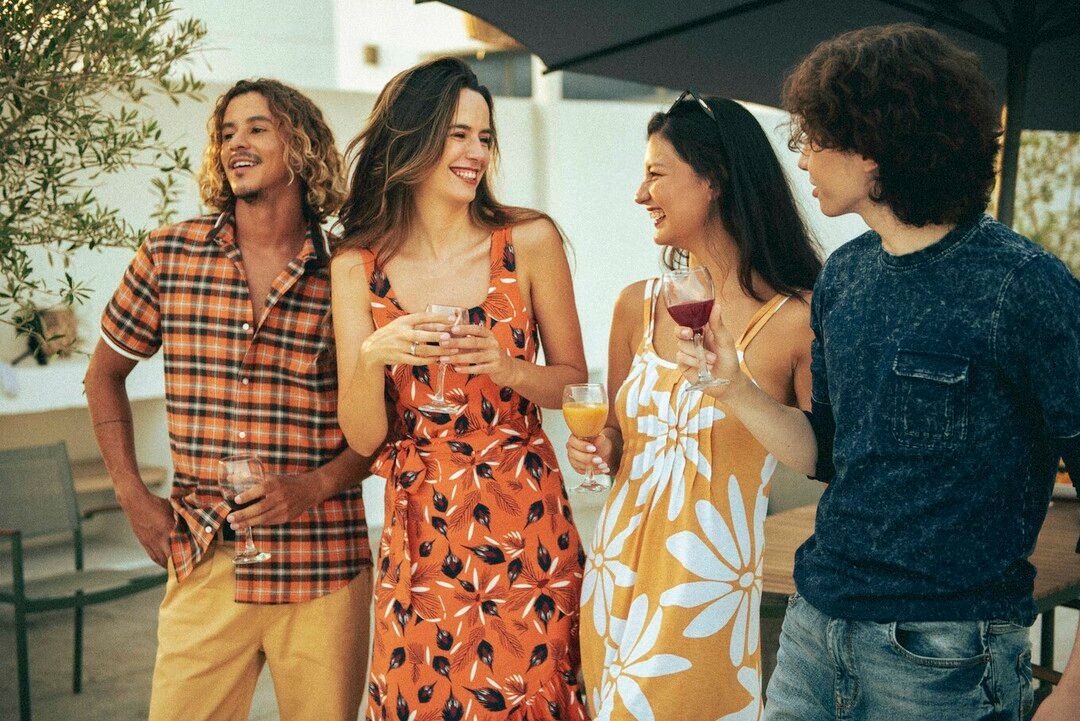
Editorial lighting is intentional. It’s not purely soft, not purely dramatic — it’s controlled. The light is chosen to support the styling: textures in fabric, structure in a jacket, shine in accessories, and the emotion of the pose. In practice, editorial lighting uses a clear key light, disciplined shadow control, and a deliberate choice between softness or edge.
If you want to understand how angles affect the light, review this guide to camera perspective and angles. It pairs perfectly with this lighting breakdown.
2) Start with the fabric, not the face
Clothing drives the light. Silk needs soft specular highlights. Denim needs contrast. Leather needs shape and controlled reflection. Before you test on the model’s face, test the lighting on the fabric — it tells you whether the setup is working.
Pro tip: photograph a small fabric sample close‑up. If the texture looks flat, the light is too soft or too broad. If it looks harsh, pull the light back or add diffusion.
3) Softbox key light: clean, classic, reliable
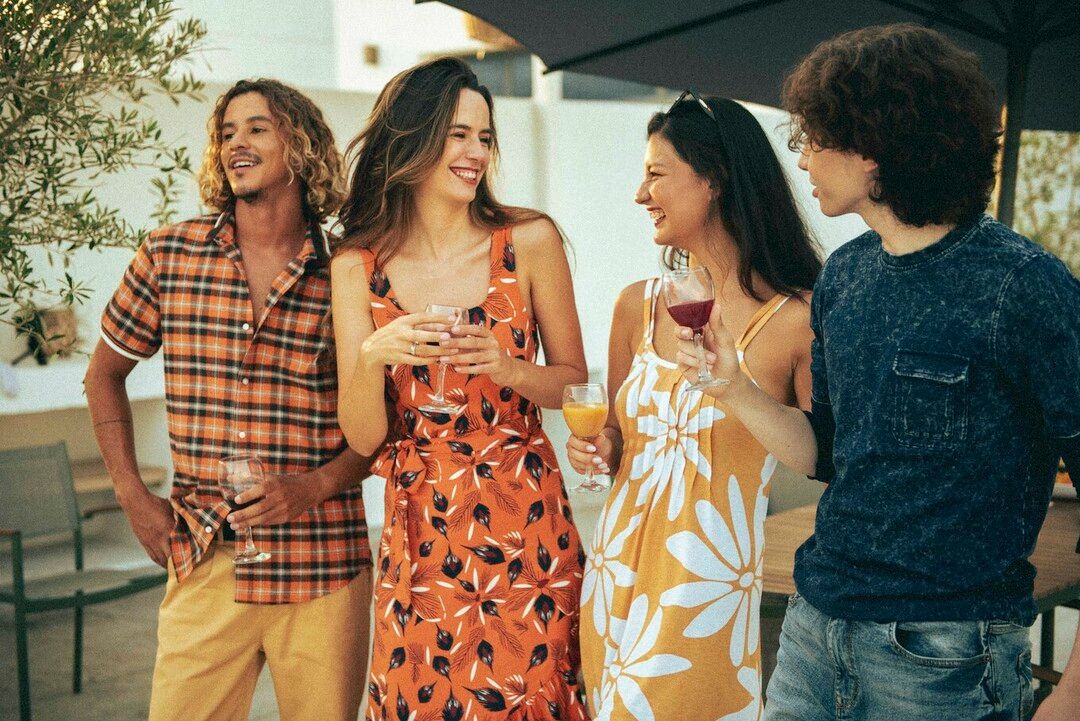
A large softbox (120–150cm) placed 45° to the model and slightly above eye level is the most versatile editorial setup. It gives clean skin tones and controlled shadows while still defining the jawline and cheekbones.
Best for: clean studio portraits, lookbooks, and commercial campaigns. Pair it with a white reflector on the opposite side to soften the shadow without killing contrast.
4) Beauty dish: contrast without chaos
The beauty dish is sharper than a softbox but less harsh than a bare light. It creates crisp definition around the eyes, cheekbones, and collarbone — perfect for fashion close‑ups or makeup‑focused shots.
Use it with a diffusion sock if you want smoother skin. For bold looks, remove the sock and use a silver interior. It pairs well with the Headshots style when you want clean but powerful portraits.
5) Hard light for texture & attitude
Hard light brings energy. It reveals wrinkles, stitching, and weave — which can look amazing in editorial fashion. Use a small reflector or a bare bulb and aim it at 30–45° to create strong shadows. Keep the background clean to avoid chaos.
Best for: edgy concepts, street fashion, and high‑contrast black‑and‑white editorials. If you’re worried about harsh shadows on skin, add a very subtle fill from below.
6) Negative fill: the secret to sculpting
Negative fill is the quickest way to shape a face or body. Place a black flag (or even a black sheet) on the shadow side to absorb stray light. This deepens contrast and makes the subject pop.
Try it when the image feels “flat.” It’s the easiest fix that doesn’t require moving your main light.
7) Background separation + edge highlights
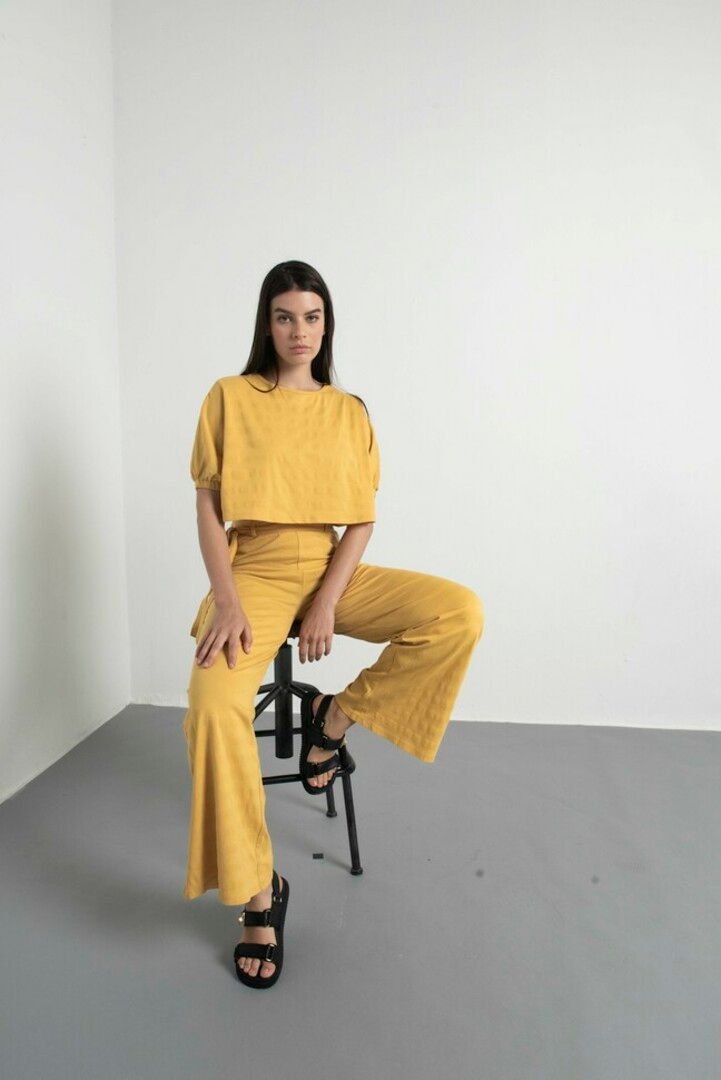
Editorial images often separate the subject from the background with a subtle rim or edge light. Place a strip light or small softbox behind the model, angled at the hair and shoulders. This creates a clean outline and prevents dark outfits from blending into a dark backdrop.
Tip: keep the rim light 1–1.5 stops lower than the key light. Too bright and it becomes distracting.
8) Color gels for editorial mood
Gels can elevate a simple setup. A soft blue or warm amber wash on the background adds depth without overwhelming the subject. Pair a neutral key light with a colored back light to keep skin tones clean.
Keep it subtle. The most common mistake is over‑saturating, which makes the photo look like a nightclub instead of a fashion editorial.
9) Outdoor editorial lighting (Dubai edition)
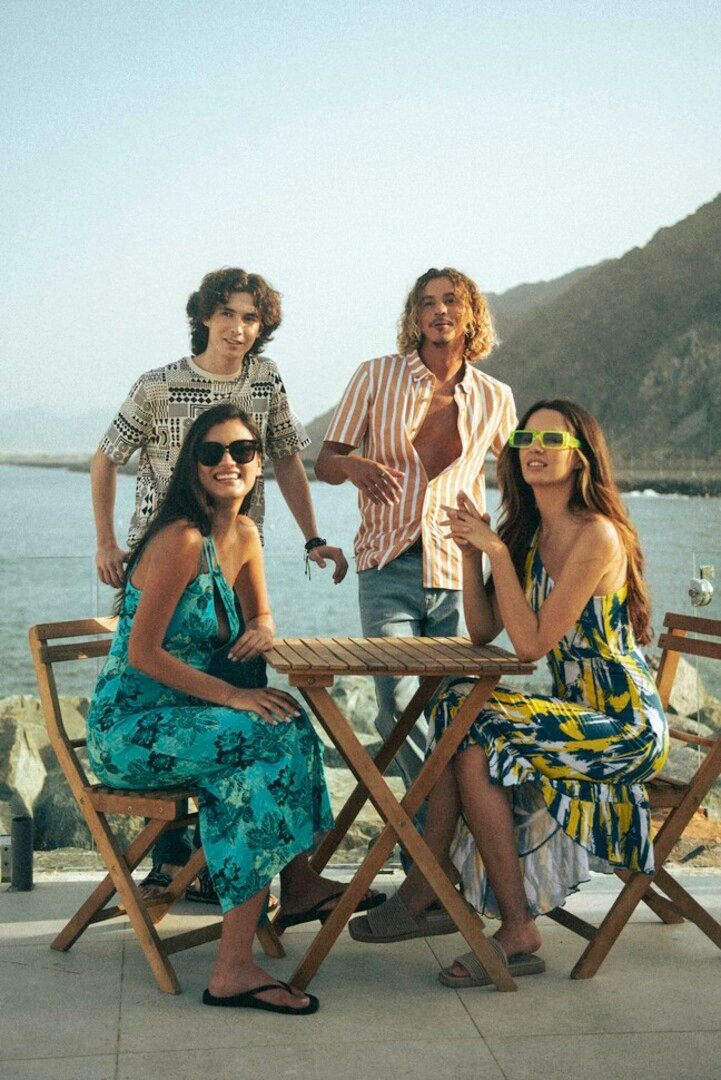
Dubai’s light can be intense. For outdoor editorials, aim for golden hour or shaded architecture. Use a reflector to control contrast, and keep your subject a few meters away from strong backgrounds to avoid harsh shadows.
For more outdoor guidance, see our golden hour guide and our desert photoshoot service.
10) Camera settings & lens choices
Most editorial frames are shot between 35mm and 85mm. Wide lenses (24–35mm) add drama and fashion energy, while 85mm keeps proportions flattering for close‑ups. For studio work, start at ISO 100–200, f/5.6–f/8, and adjust shutter speed to sync with flash.
If you need consistent lighting across a brand set, keep exposure and white balance locked. It makes post‑production much faster.
11) Styling workflow that keeps lighting consistent
Lighting breaks when the workflow breaks. Keep a simple rhythm:
- Lock your key light position first
- Move the model, not the light (until the look changes)
- Test one frame per new outfit before you shoot the full set
For full shoot prep, see our guide: How to prepare for a fashion or modeling shoot.
12) Meet three ShootEmpire photographers
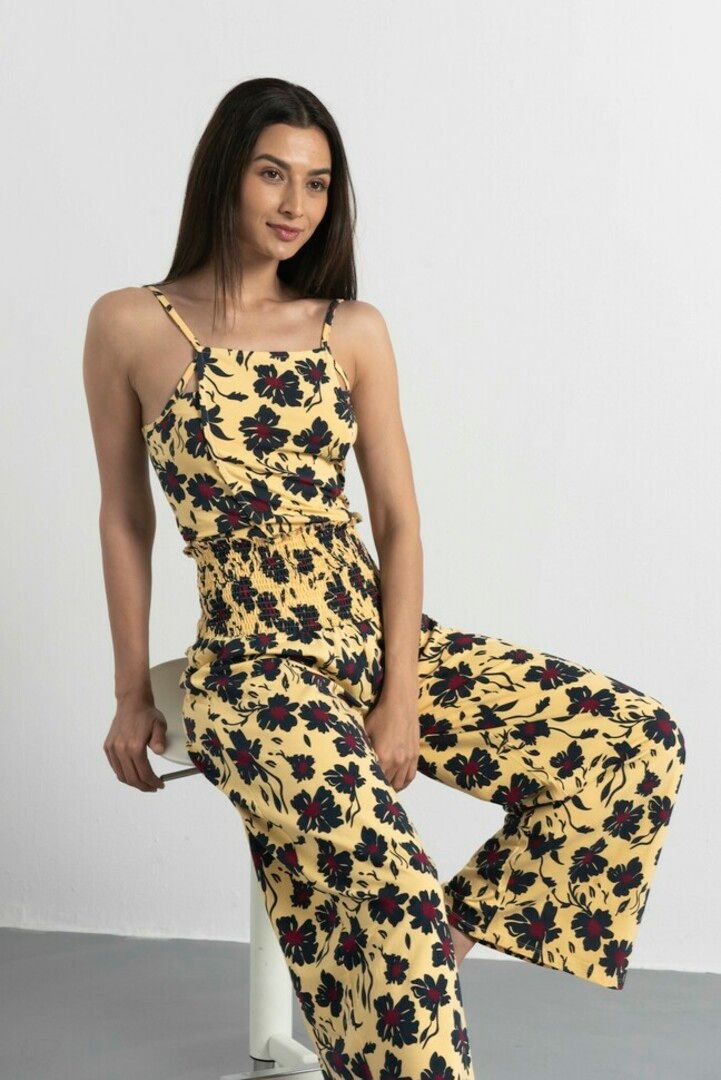
Here are three current ShootEmpire photographers with fashion/modeling experience:
- Salman Saharia — polished studio work with clean editorial lighting.
- Aakash Saxena — strong outdoor fashion frames with cinematic contrast.
- Kiran Krishnan — minimalist sets with sharp, modern compositions.
See portfolios and packages on the modeling photography page.
13) FAQs
Do I need a studio for editorial fashion lighting?
No. You can achieve editorial looks outdoors or in shaded locations, but a studio gives consistent control and repeatability.
What lighting setup is best for textured outfits?
Hard light or a smaller modifier placed at an angle works best to show fabric texture and depth.
How many lighting setups should a shoot include?
Two or three is enough for most sessions: one soft, one contrasty, and one with a rim or background light.
Should I use color gels?
Yes, but sparingly. Use gels on the background or rim light while keeping the key light neutral.
How long does editing take?
Delivery time depends on package size, but 5–10 business days is typical for editorial sets.
Related services: Modeling photography · Headshots · Branding photography
Ready to plan your event coverage?
Tell us your event details and we’ll recommend the right coverage plan, team size, and turnaround timeline.
Start a booking · View event photography packages · Talk to concierge