Fashion Photography in Dubai: How to Plan a Lookbook Shoot

Read time: 12–14 mins
A lookbook shoot is the backbone of fashion marketing. It’s the clean, consistent visual set that shows how a collection looks on real people, in real light. The best lookbooks are not random — they are planned with the same precision as a campaign. In Dubai, where locations and light can be dramatic, planning becomes even more important.
This guide walks through a complete lookbook planning process: creative direction, shot list, styling, locations, and delivery. If you want a full production team, see our Modeling Photography service or Branding Photography for brand‑driven collections.
Table of contents
- 1) Define the lookbook goal and audience
- 2) Build a moodboard and visual language
- 3) Create a clean shot list
- 4) Styling and wardrobe prep
- 5) Casting models and fit sessions
- 6) Studio vs location decision
- 7) Lighting setup for consistent fabric texture
- 8) Build a realistic shoot schedule
- 9) Post‑production and delivery standards
- 10) Meet three ShootEmpire photographers
- 11) FAQs
1) Define the lookbook goal and audience
Start with a single sentence: “This lookbook will help [audience] understand [collection] and take action.” That action could be wholesale orders, online sales, or brand perception. Once the goal is clear, everything else — model styling, lighting, and number of looks — becomes easier to decide.
Lookbooks for premium brands usually favor minimal styling and clean backgrounds. Streetwear lookbooks can handle more texture, grit, and location detail. Decide where your lookbook sits on that spectrum.
2) Build a moodboard and visual language
Create a moodboard that shows color palette, posing style, framing, and lighting direction. Keep it tight: 8–12 images max. Use it as the visual “north star” so the team stays aligned across every outfit.
If you want stronger editorial energy, reference this guide on editorial fashion lighting. For pose ideas, see camera perspective and angles.
3) Create a clean shot list
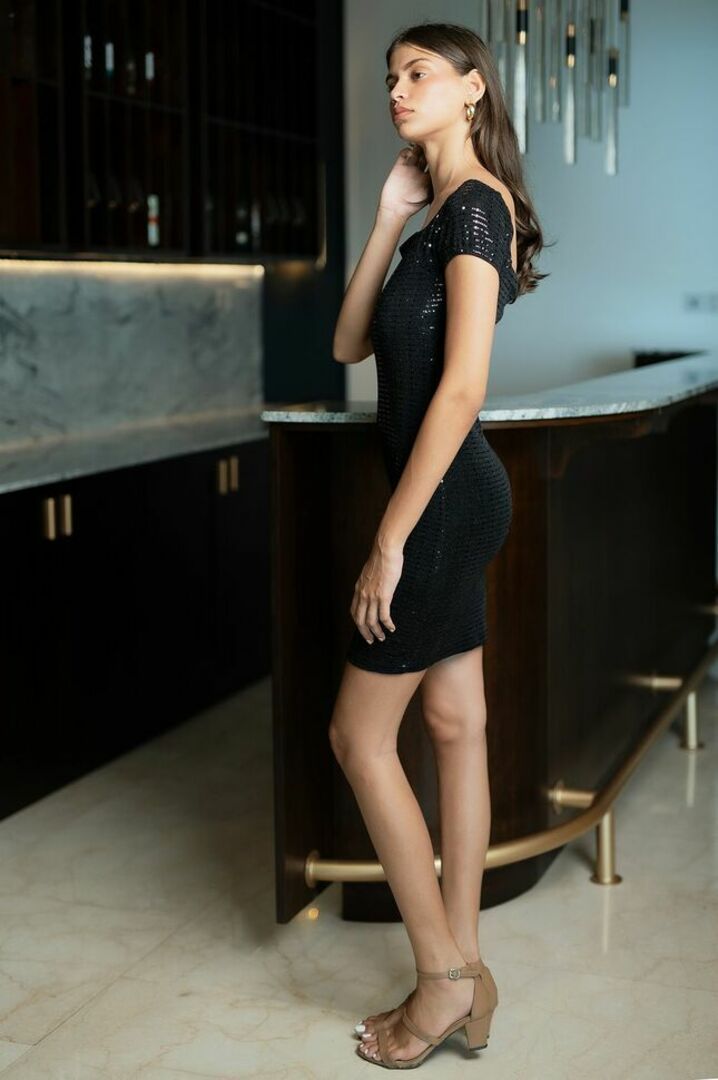
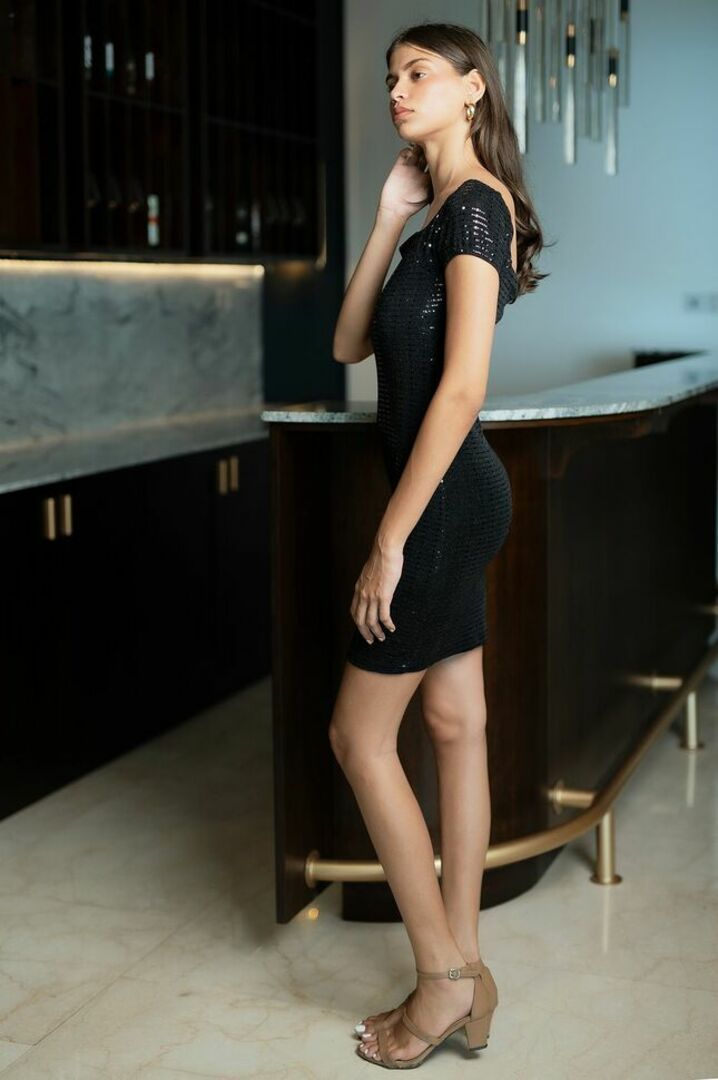
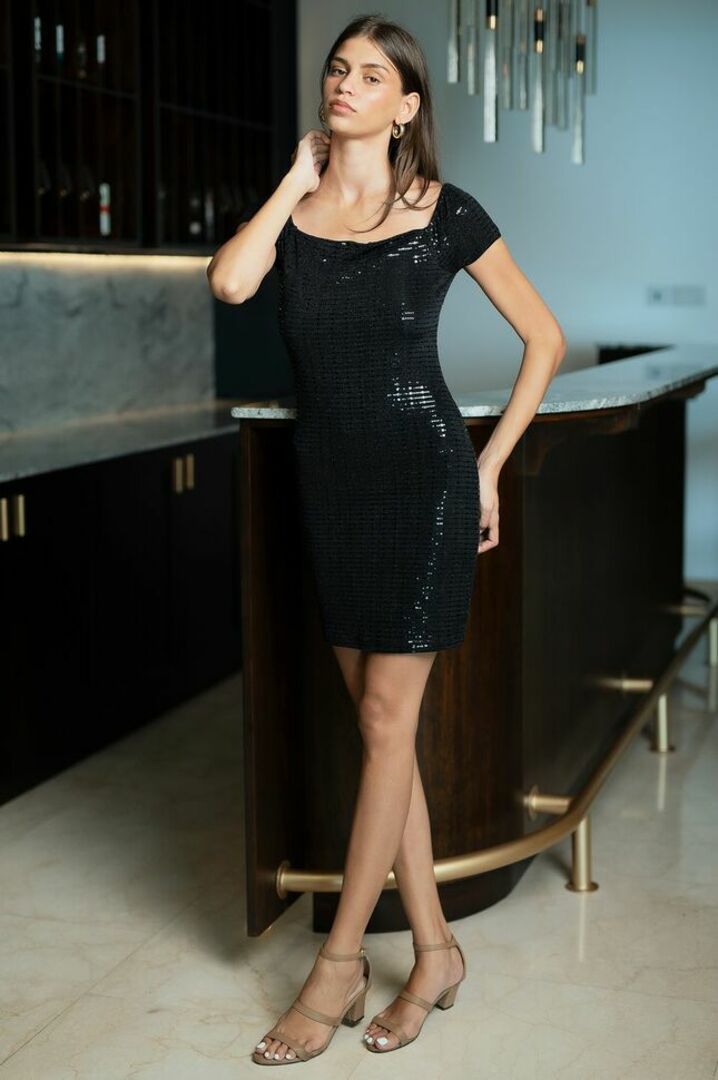
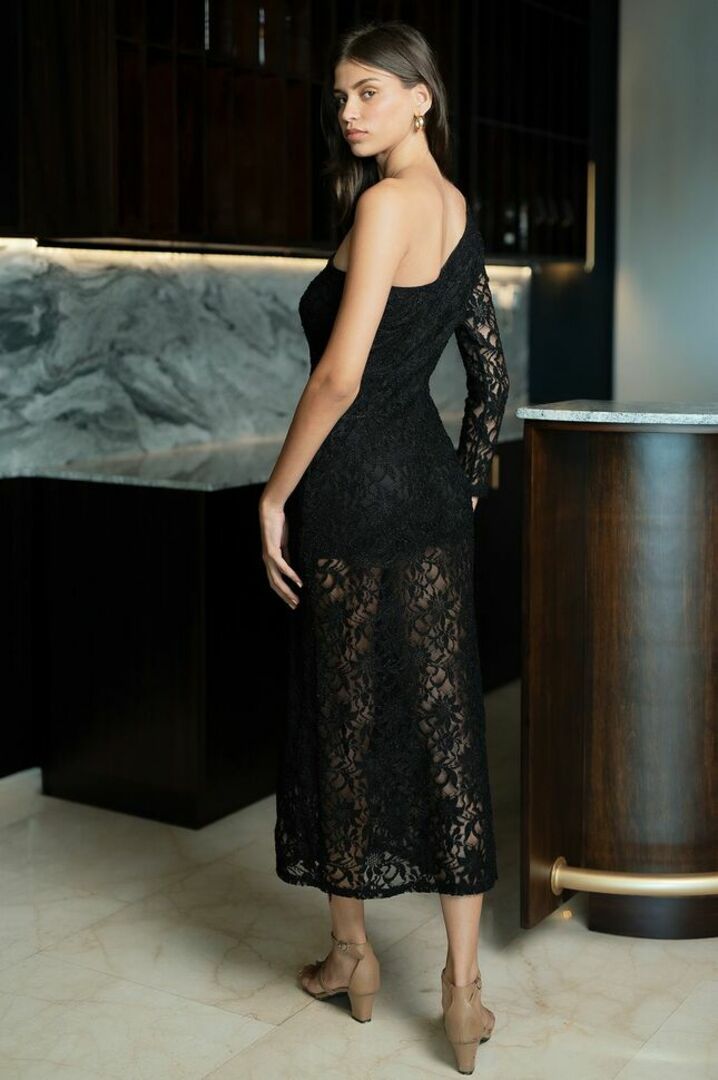
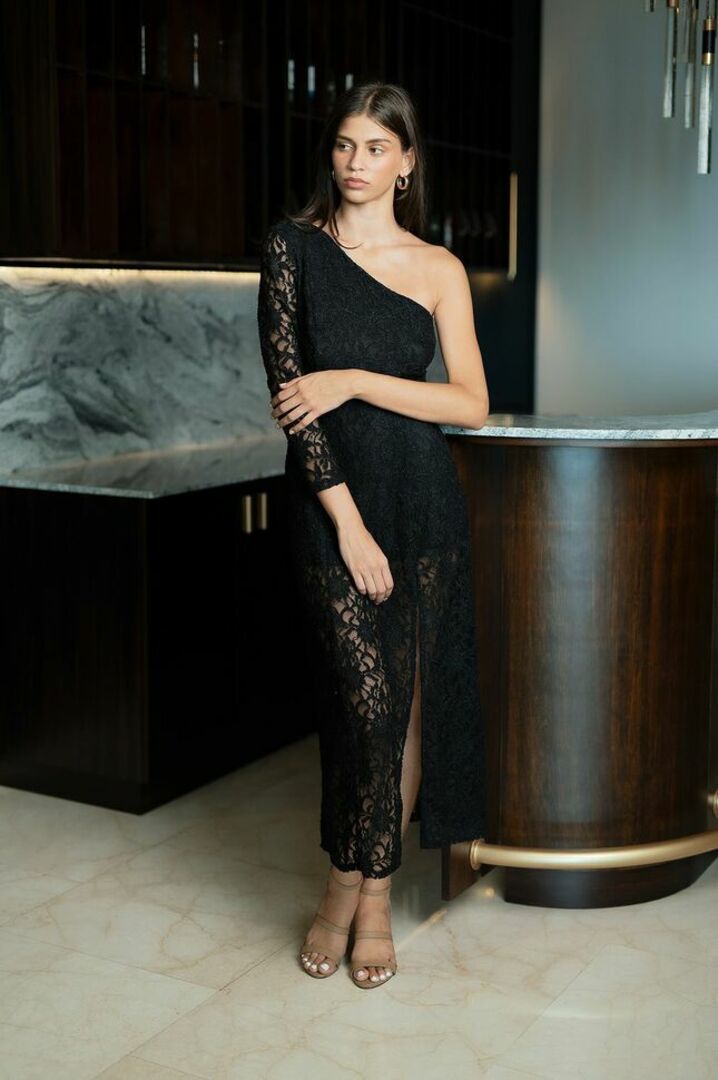
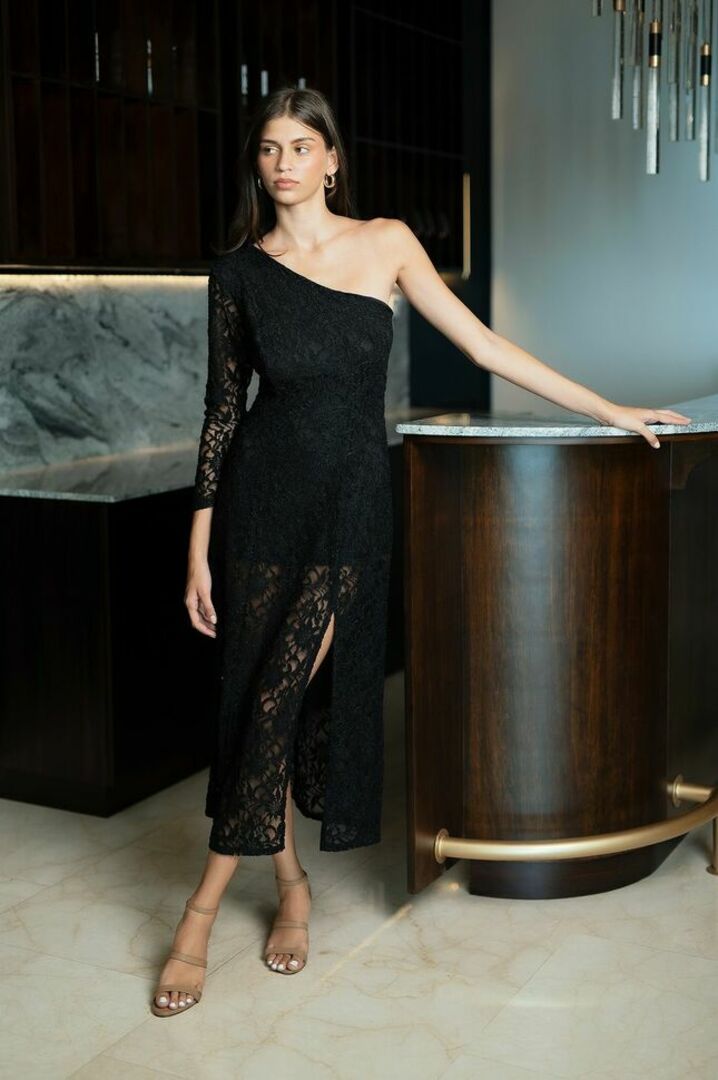
Lookbooks need consistency: typically one full‑body front, one full‑body back, one ¾ angle, and one detail shot per outfit. This creates a standard visual set that buyers and customers can scan quickly.
Make a simple grid: outfit number, key shots, and any special details. Keep your list simple so the crew can move fast. Complexity is the enemy of delivery speed.
4) Styling and wardrobe prep
Prepare outfits in advance — steamed, on hangers, labeled in order. This single step saves more time than any other. Bring extra accessories and a minimal backup outfit in case something doesn’t fit on set.
If your brand has strict styling rules, write them down: sleeve length, tuck‑in style, shoe choices, and hair rules. Small inconsistencies are the main reason lookbooks feel unprofessional.
5) Casting models and fit sessions
Models should fit the clothing properly — not just visually, but technically. If you can, do a short fit session before the shoot day to ensure sizing and adjustments are done in advance. This prevents on‑set delays and awkward fixes.
For e‑commerce lookbooks, use models with consistent proportions so the garments look uniform across the set. For editorial lookbooks, you can mix looks for more character.
6) Studio vs location decision
Studio is faster and consistent, ideal for e‑commerce and wholesale lookbooks. Location gives more mood but adds time and variables. If you want both, build a hybrid plan: 70% studio and 30% location.
For a full breakdown, see Studio vs Location Fashion Shoots.
7) Lighting setup for consistent fabric texture
Consistency matters more than style in a lookbook. Use a large softbox or two‑light setup to keep fabric texture and skin tones stable across every outfit. If you shoot on location, use reflectors to control contrast.
Learn more in our photography lighting guide.
8) Build a realistic shoot schedule
Estimate 12–20 minutes per outfit for studio (including change time). For location, increase the buffer. Build a schedule that includes: setup, test frames, outfit changes, and breaks. A realistic schedule prevents rushed shots and poor quality.
If you’re working with a small team, consider shooting fewer looks but with stronger consistency. It often yields better results than a huge lookbook with uneven quality.
9) Post‑production and delivery standards
Decide the retouching level in advance: clean skin, fabric smoothing, color consistency, and background cleanup. For lookbooks, color consistency is the top priority. Provide a reference image to lock the tone.
For production planning, this guide can help: How to prepare for a fashion or modeling shoot.
10) Meet three ShootEmpire photographers
Three current photographers with fashion/modeling experience:
- Salman Saharia — clean studio sets and consistent editorial lighting.
- Aakash Saxena — modern fashion framing with cinematic outdoor looks.
- Kiran Krishnan — minimal styling and sharp, structured composition.
Explore portfolios on Modeling Photography.
11) FAQs
How many outfits are ideal for a lookbook?
For a half‑day shoot, 6–10 outfits is realistic. For a full day, 12–20 is possible if the team is experienced.
Should a lookbook be studio‑only?
Not always. Studio is consistent, but location adds mood. Choose based on your brand style and budget.
What files should I request?
Ask for high‑resolution JPGs plus web‑optimized versions for e‑commerce use.
How long does editing take?
Typical delivery is 5–10 business days, depending on image count and retouching depth.
Related services: Modeling photography · Branding photography · Headshots
Ready to plan your event coverage?
Tell us your event details and we’ll recommend the right coverage plan, team size, and turnaround timeline.
Start a booking · View event photography packages · Talk to concierge